Should You Remodel or Replace Your Kitchen? Key Factors for Lafayette Homeowners
Summary:
Choosing between remodeling or replacing your kitchen in Lafayette depends on layout efficiency, structural condition, budget, and long-term goals rather than aesthetics alone. Remodeling suits functional layouts needing updates, while replacement addresses deeper structural issues, helping homeowners avoid overspending and achieve better value, performance, and resale outcomes.
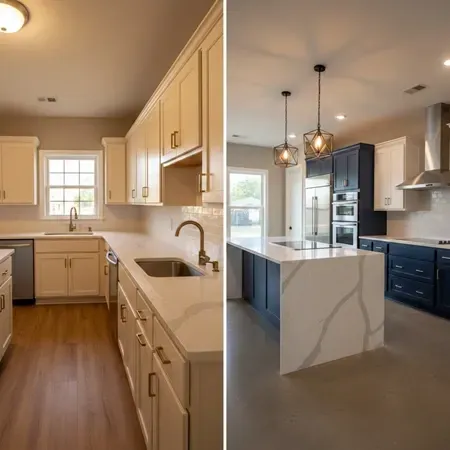
If your kitchen feels outdated, cramped, or inefficient, the real question is not whether to change it.
The real question is this:
should you remodel what you have, or tear it out and start over?
For Lafayette homeowners, this decision carries financial, structural, and long-term resale implications. Kitchens are one of the highest-impact areas of any home. According to the National Association of Realtors Remodeling Impact Report, kitchen upgrades consistently rank among the top projects for homeowner satisfaction and resale recovery value.
But replacing a kitchen and remodeling one are not the same decision. Understanding the difference will save you money and prevent regret.
What Remodeling Actually Means
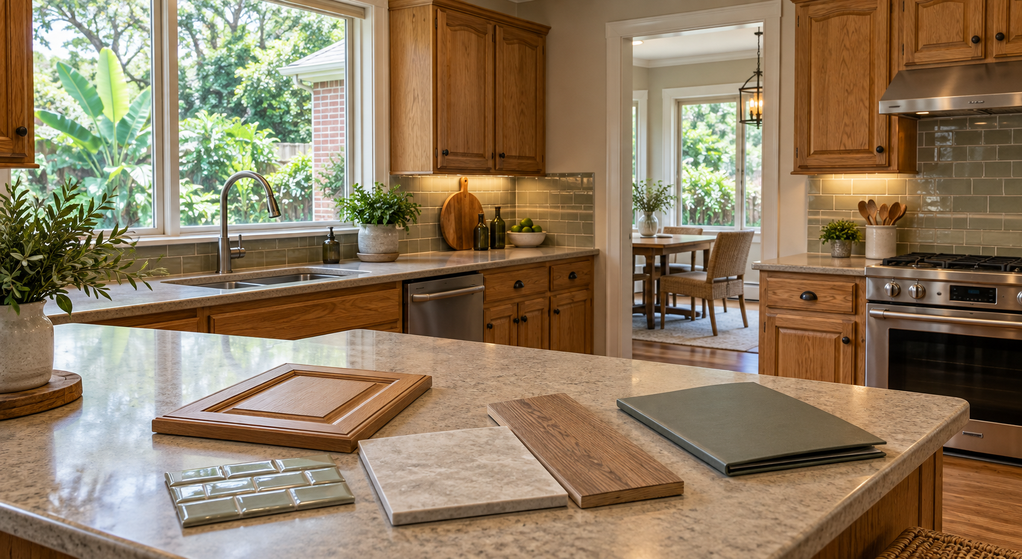
A kitchen remodel typically involves updating and improving the existing layout. This may include new cabinetry, countertops, flooring, lighting, appliances, or refinishing surfaces without completely altering the structural footprint.
In many Lafayette homes built in the 1980s and 1990s, the core layout still functions well.
The problem is often cosmetic or related to storage efficiency.
Based on experience overseeing full kitchen renovations across Acadiana, remodeling works best when:
- The layout flows logically
- Plumbing and electrical systems are properly placed
- Structural framing is sound
- Square footage is adequate
Remodeling allows you to upgrade materials and finishes without the higher cost of demolition and redesign.
| Factor | Remodeling | Replacement |
|---|---|---|
| Layout changes | Minimal or none | Major changes |
| Cost range | Lower | Higher |
| Time required | Shorter | Longer |
| Structural work | Rare | Common |
| Best for | Cosmetic + storage upgrades | Layout + structural problems |
When Replacement Makes More Sense
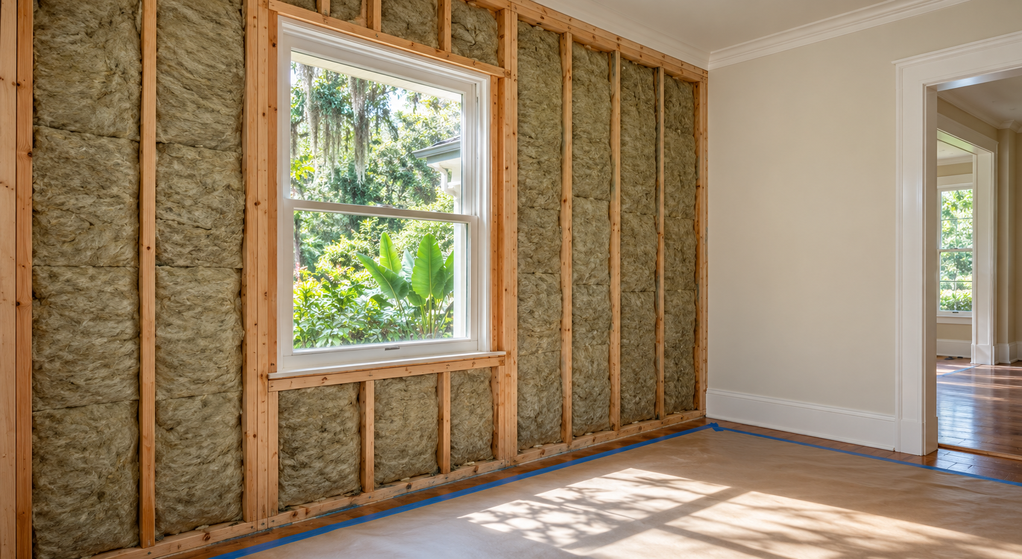
Kitchen replacement, on the other hand, involves significant structural or layout changes. This could mean removing walls, relocating plumbing, expanding the footprint, or starting from a stripped-down shell.
In older Lafayette homes, especially those with compartmentalized kitchens or load-bearing walls dividing living spaces, a simple remodel may not solve the problem.
Replacement becomes necessary when:
- The layout feels closed off and restrictive
- Major water damage has occurred
- Electrical systems are outdated
- Foundation or framing issues are present
Attempting to remodel a kitchen in Lafayette while working around structural limitations often results in spending money without addressing the underlying problem.
Budget Realities in Lafayette
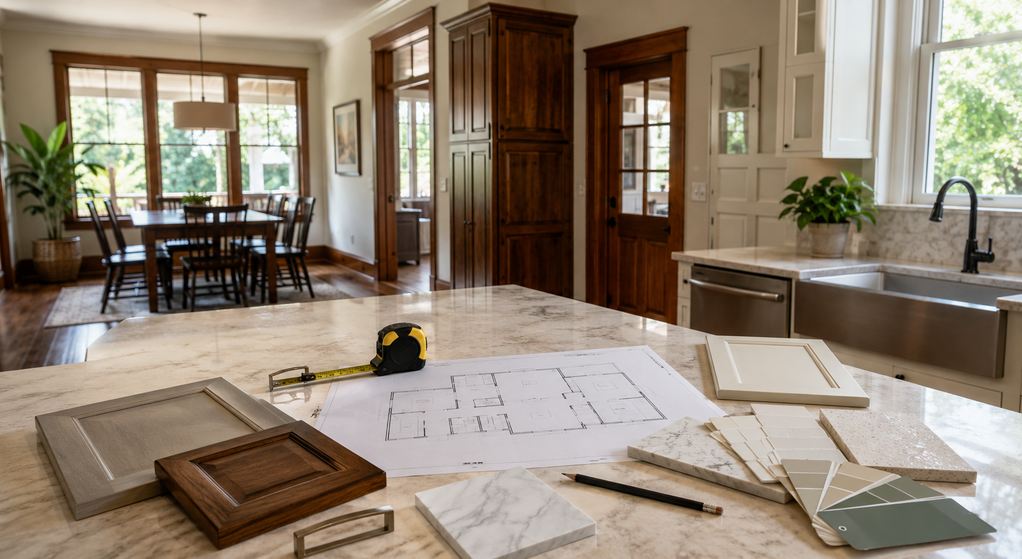
Budget clarity should come before design inspiration.
One common mistake is beginning demolition before finalizing design and budget approvals. Once walls are open, surprises appear. Electrical reroutes, hidden water damage, and structural adjustments increase scope quickly.
In our work across Acadiana, our remodeling team have seen homeowners underestimate demolition costs, plumbing relocation, and permitting fees when considering full replacement. Remodeling within an existing footprint typically controls costs more effectively.
However, cutting corners during a replacement project leads to expensive revisions later.
According to national data, a mid-range kitchen remodel typically costs between $25,000 and $60,000, with the final price depending on materials, finishes, and the overall scope of the project. In Lafayette, pricing may vary based on labor demand, material availability, and regional supply chains.
Planning thoroughly reduces financial stress.
Layout Efficiency Versus Cosmetic Updates
Some homeowners confuse aesthetic dissatisfaction with structural inefficiency.
New countertops and cabinets will not solve a poor work triangle. The classic kitchen work triangle, supported by the National Kitchen and Bath Association design principles, emphasizes optimal distance between sink, stove, and refrigerator for efficiency.
If your kitchen layout disrupts flow, remodeling finishes alone will not improve functionality.
In contrast, if your layout already supports efficient movement but looks dated, replacement would be unnecessary.
Understanding whether your frustration is visual or functional determines your direction. Here are the most popular kitchen layouts for modern homes in Lafayette.
Return on Investment in the Lafayette Market
Resale value matters, especially in a competitive Lafayette housing market.
In Acadiana neighborhoods, buyers prioritize updated finishes, modern lighting, and clean cabinetry.
They rarely demand complete structural reinvention unless the home is significantly outdated.
Overbuilding beyond neighborhood standards reduces return.
A $100,000 kitchen in a $250,000 neighborhood rarely yields proportional recovery.
Remodeling strategically within market expectations typically produces stronger financial outcomes.
Timeline and Disruption Considerations
Kitchen replacement projects take longer and disrupt daily life more significantly.
Relocating plumbing lines, rerouting electrical wiring, and removing walls extend timelines. In some cases, homeowners are without a functional kitchen for weeks.
Remodeling within the existing footprint shortens project duration and limits structural complexity.
We have seen families underestimate lifestyle disruption during full replacements. Temporary kitchen setups are rarely convenient.
Your tolerance for construction inconvenience should factor into the decision.
Material Selection and Long-Term Performance
Gulf Coast humidity affects cabinetry, flooring, and hardware longevity. Selecting moisture-resistant materials is essential regardless of remodel or replacement.
Solid wood cabinetry must be properly sealed. Ventilation systems should handle Louisiana humidity. Flooring choices must resist expansion.
These considerations matter because replacing a kitchen without selecting climate-appropriate materials defeats the purpose of the upgrade. To help you, here are the top countertop materials for Lafayette kitchens.
Common Decision-Making Mistakes
The biggest mistake Lafayette homeowners make is deciding emotionally rather than structurally.
Another common error is assuming bigger always means better. Expanding into adjacent space increases cost and complexity. If the existing footprint works with improved storage and lighting, replacement may not be necessary.
Waiting too long to address functional issues also increases costs. Water damage under cabinets or warped subflooring compounds over time.
Evaluating structural health before committing to either path is critical.
So, Remodel or Replace?
If your kitchen layout functions well and your concerns are primarily aesthetic or storage-related, remodeling is usually the smarter, more cost-effective choice.
If your kitchen feels confined, poorly structured, or structurally compromised, replacement may be justified.
The decision should be driven by layout integrity, structural condition, budget clarity, and realistic resale expectations within the Lafayette market.
Replacing a kitchen is not automatically superior. Remodeling is not automatically cheaper in every case.
The smarter move is choosing the option that solves your real problem without overspending or underbuilding.
Before committing, assess structure, budget honestly, and define your long-term goals. Also,
to ensure your renovation is feasible, safe, and aligned with your vision, helping you identify potential structural issues, recommend cost-effective solutions, and make smart choices for materials and layout.

Written By:
Kurt Manalastas
Home & Property Research Journalist
Kurt is a Home & Property Research Journalist who creates educational content on home services, property improvements, and residential decision-making. He turns contractor insights, industry standards, and research findings into clear, practical guidance that helps homeowners better understand their options and make informed property decisions.