Top Countertop Materials for Lafayette Kitchens: Pros, Cons & Maintenance
Summary:Choosing the right countertop for Lafayette kitchens requires prioritizing durability, moisture resistance, and maintenance needs over appearance, given the region’s humidity and heavy daily use. Materials like quartz and properly sealed granite offer the best long-term performance, while others may struggle if they do not match real kitchen conditions and homeowner habits.
One of the most important decisions in a kitchen remodel is choosing the right countertop material. It’s not just a design decision but also a performance decision that affects how your kitchen functions for decades.
This guide explains the most reliable countertop materials for Lafayette kitchens, with a practical focus on durability, maintenance, and long-term value.
Quartz
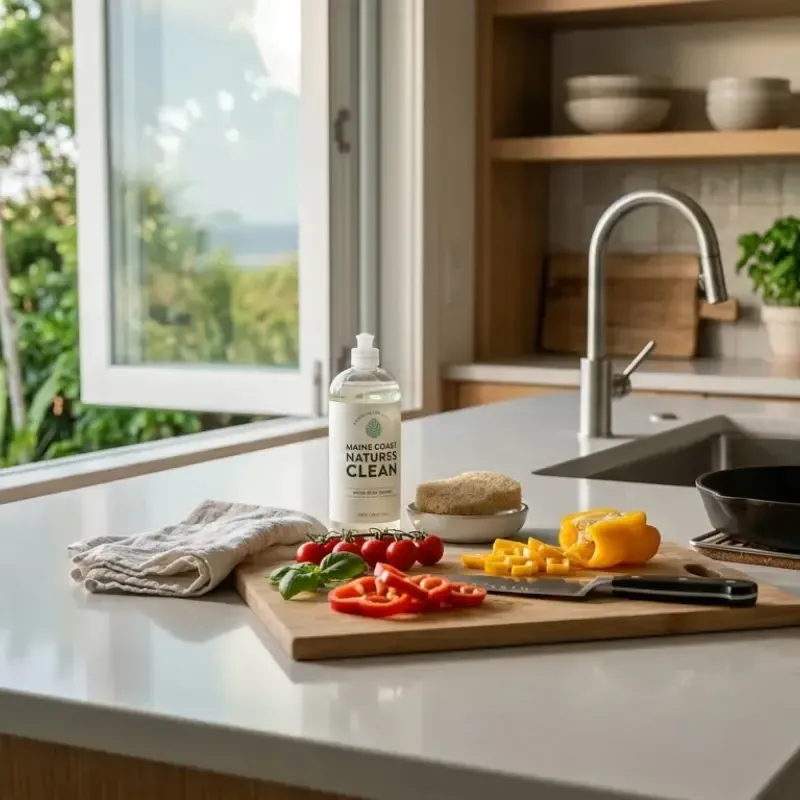
According to Kitchen Remodeling services in Lafayette LA, quartz succeeds because it resists humidity, handles heavy use, and does not rely on homeowner maintenance discipline. It has become the most dependable countertop material we install in this region. In real kitchens, quartz consistently resists the problems that cause early countertop failure. Because it is non-porous, it does not absorb moisture, cooking oils, or bacteria. This matters in humid climates, where porous surfaces gradually darken and stain even with careful cleaning.
Quartz also eliminates one of the most common maintenance mistakes, which is forgetting to reseal as there is no sealing schedule. Cleaning requires nothing more than mild soap and water.
The main limitation is heat. Extremely hot pans can discolor the surface if placed directly on it. This is not a defect, but a use issue that disappears with basic care.
Granite
Granite remains a strong material, but only when homeowners understand what they are buying.
Granite is a natural stone, and all natural stone is porous to some degree. Without proper sealing, granite absorbs oils and dark liquids that slowly turn into permanent stains. In our kitchen remodeling projects, granite failures almost always trace back to one issue: sealing was ignored or never explained.
When sealed properly, granite performs well. It tolerates heat, resists scratches, and lasts for decades. When neglected, it becomes one of the most disappointing surfaces in a kitchen.
Granite offers natural beauty and durability, but it demands periodic resealing and faster spill cleanup.
Marble
Marble remains popular in design magazines, but it rarely performs well in active Lafayette kitchens.
Marble is highly porous and chemically sensitive. Acids from citrus, vinegar, and wine etch the surface almost immediately. These marks cannot be cleaned away. They become part of the stone’s permanent surface.
According to our kitchen remodeling team, marble countertops in family kitchens show visible wear within the first year., marble countertops in family kitchens show visible wear within the first year. For low-use spaces, marble can work. For kitchens that cook daily, it almost always becomes a regret.
The problem is not quality. The problem is that marble’s physical properties do not match how most kitchens operate.
Solid Surface
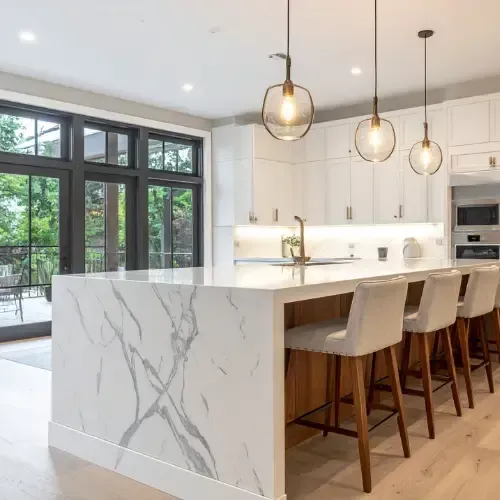
Solid surface countertops rarely appear in luxury design features, but they perform better than many homeowners expect.
These materials resist moisture, allow seamless installation, and can be repaired if scratched. In humid environments, the lack of natural pores becomes a major advantage.
The limitations are moderate heat resistance and a less premium appearance. For homeowners who prioritize performance over prestige, solid surface remains one of the most reliable options available.
Laminate
Laminate remains common in starter homes and rental properties. It performs well within its limits. It does not tolerate heat, standing water, or heavy impact. When damaged, it cannot be repaired. It must be replaced.
The value of laminate lies in cost control, not longevity. Homeowners who choose laminate should plan for earlier replacement and treat it accordingly.
Butcher Block
Wood countertops create a natural, warm look that many homeowners love. In Lafayette, they also create ongoing maintenance challenges.
Wood absorbs moisture from the air. In humid climates, this leads to expansion, warping, and joint separation over time. Frequent oiling slows this process but does not eliminate it.
Butcher block works best in controlled environments and secondary prep zones, not as a full kitchen surface in high-humidity regions.

The Mistakes That Cause Early Countertop Failure
In our experience, most countertop problems come from three decisions.
- Homeowners choose based on appearance instead of performance.
- They underestimate how often sealing is required.
- They assume showroom durability translates directly into real kitchens.
A surface that looks perfect in a display often performs poorly in daily use. For homeowners comparing materials, layouts, and finishes, exploring expert kitchen remodeling strategies can help clarify what truly works in Lafayette homes. Check out Expert Kitchen Remodeling Tips for Lafayette Homes: Planning, Design, and Finish Work.
Why Location Changes the Best Choice
Lafayette kitchens face not only constant humidity, but also frequent cooking, and temperature swings between air conditioning and outdoor heat. These conditions accelerate staining, warping, and surface breakdown. Explore the Biggest Challenges Kitchen Remodelers Face to see how professionals manage them.
Clear Takeaway
For most Lafayette kitchens, quartz offers the best balance of durability, low maintenance, and long-term value. Properly sealed granite follows closely behind. Marble and untreated wood consistently underperform in heavy-use homes.
However, the best countertop is the one that matches how your kitchen is actually used, not how it is photographed.
Final Advice Before You Choose
Based on years of remodeling experience, the smartest countertop decision begins with an honest assessment of your habits. Ask how often sealing is required. Ask how humidity affects the surface. Ask how repairs are handled. Choose a material that fits your daily routines.
| Material | Durability | Maintenance | Heat Resistance | Moisture Resistance | Best For |
|---|---|---|---|---|---|
| Quartz | High | Very Low (no seal) | Medium | Excellent | Busy, low-maintenance kitchens |
| Granite | High | Medium (sealing) | High | Good (if sealed) | Natural look + durability |
| Marble | Low | High | Medium | Poor | Low-use / decorative spaces |
| Solid Surface | Medium | Low | Medium-Low | Excellent | Budget + performance balance |
| Laminate | Low | Low | Low | Poor | Budget / rentals |
| Butcher Block | Medium | High | Low | Poor | Accent or prep areas |

Written By:
Kurt Manalastas
Home & Property Research Journalist
Kurt is a Home & Property Research Journalist who creates educational content on home services, property improvements, and residential decision-making. He turns contractor insights, industry standards, and research findings into clear, practical guidance that helps homeowners better understand their options and make informed property decisions.