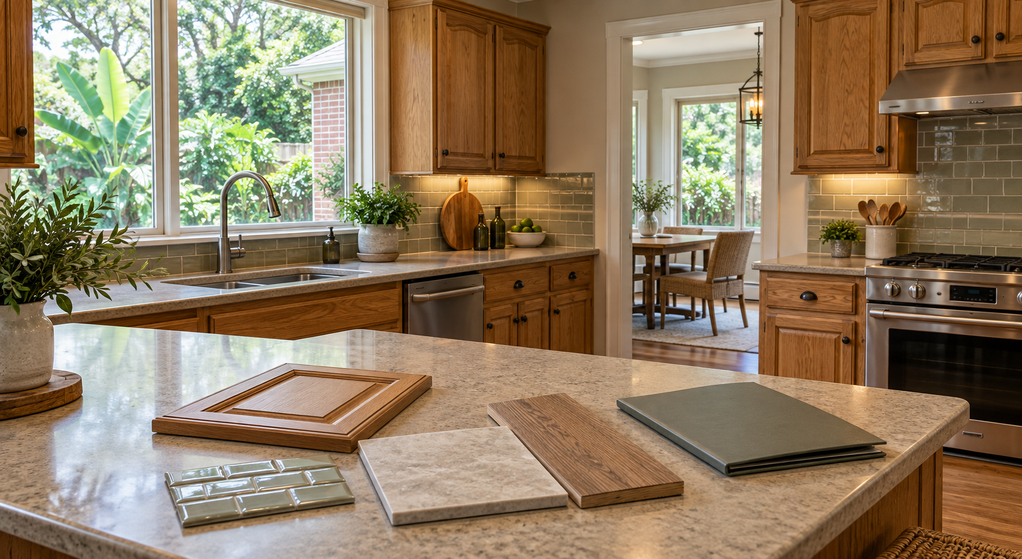
A Beginner’s Guide to Planning Your Home Remodel in Lafayette LA
Summary:
Planning a successful home remodel in Lafayette requires a clear budget, defined goals, proper sequencing, and materials suited to the region’s climate and older housing conditions. By preparing for permits, timelines, and unexpected issues while maintaining strong communication, beginners can avoid costly mistakes and achieve a smoother, more efficient renovation process.
Many decisions, steps, and responsibilities come into play long before the first contractor walks through the door. A remodel becomes successful when the planning is done with structure and accuracy. Without this kind of preparation, even small updates can turn into costly delays.
A beginner who approaches a remodel with a clear plan will save time, avoid major budgeting mistakes, and get results that truly fit the way they live.
Start With a Realistic Budget
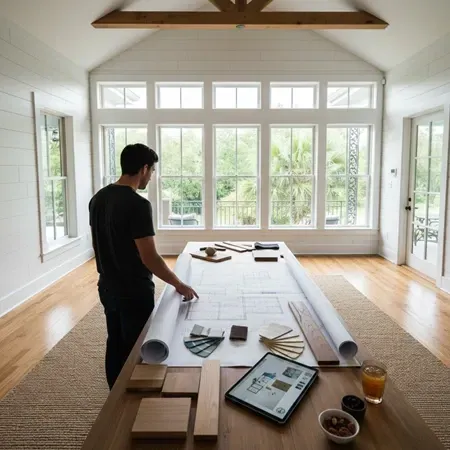
No step shapes the project more than establishing a clear budget. Many homeowners skip this and rush into design ideas or contractor meetings. A remodel without a defined budget leads to constant surprises. Every Home Improvement Services in Lafayette, LA with long-term experience in the remodeling world will say the same thing. The budget must be settled before anything else. It serves as a road map and prevents unnecessary stress.
A solid budget should include construction costs, materials, labor, permits, and a contingency fund. Prices fluctuate depending on the room being remodeled.
Kitchens and bathrooms usually land at the higher end due to plumbing coordination, electrical needs, and finish work. Attics and full-home updates involve structural considerations that require additional planning. A beginner should make room for hidden costs that often arise in older Acadiana homes, such as outdated wiring or moisture damage.
Define the Scope and Purpose of the Remodel
Every remodel should begin with a clear purpose. Homeowners sometimes mix cosmetic goals with structural goals, which leads to confusion during planning. A remodel designed to modernize the kitchen will look different from one intended to expand storage or improve workflow. Clarity at the start prevents changes later.
In Lafayette, many homeowners are investing in remodeling professionals to ensure their remodels deliver long-term value. Updated kitchens, reconfigured living spaces, and improved bathrooms rank among the most impactful projects for both comfort and resale value. Beginners tend to overfocus on appearances, but layout improvements often create the biggest transformation. Thinking about circulation, natural light, and how each room connects will produce better outcomes than relying on trends.
Understand Project Sequencing Before Starting
One of the biggest mistakes beginners make is misunderstanding the order of events in a remodel. Home Remodeling Pros follow a very predictable sequence. When the order is ignored, projects stall. For example, material selection influences timelines. Electrical and plumbing work must occur before drywall. Layout changes must be finalized before any demolition begins. Lafayette professionals rely on a structured sequence because it prevents waste and keeps the job moving.
Beginners who learn this order early will be more prepared for how the remodel unfolds:
- Establish budget
- Define layout or structural changes
- Select materials
- Obtain permits if required
- Demolition
- Framing or structural adjustments
- Rough plumbing and electrical
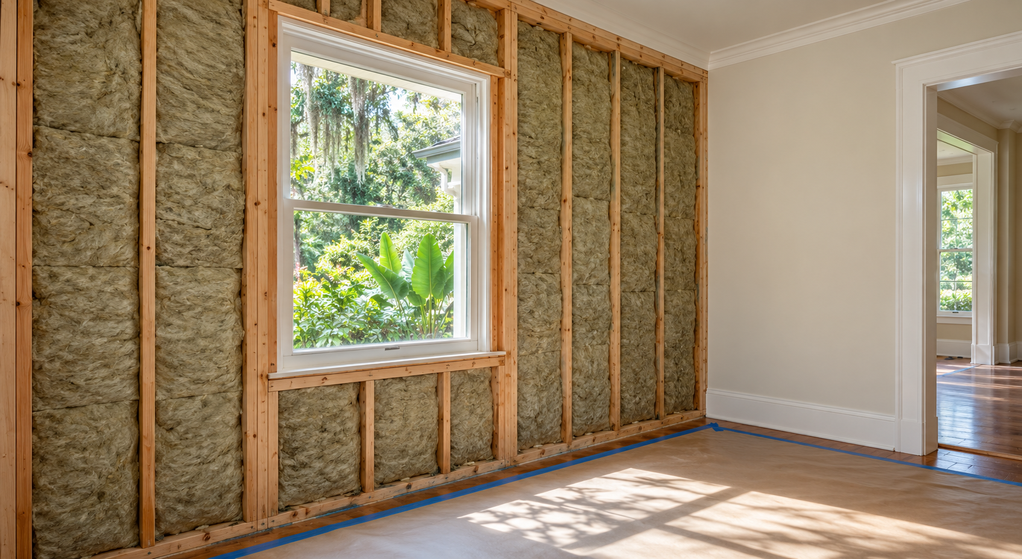
- Insulation
- Drywall
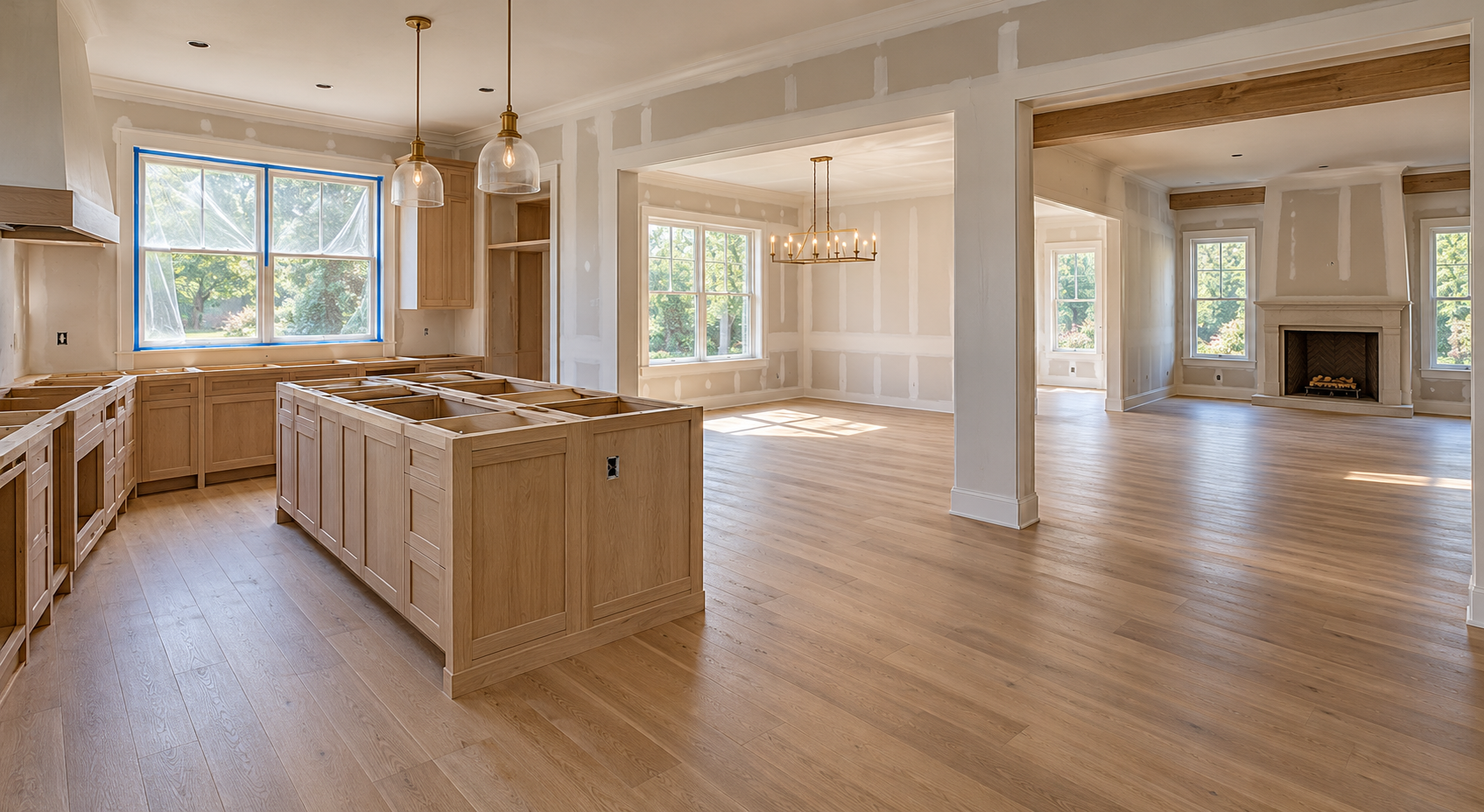
- Flooring, cabinetry, tile, and trim
- Paint and finishes
- Final walkthrough
This overview helps homeowners avoid unrealistic expectations. Even small remodels require patience because each step relies on the successful completion of the previous one.
Ensure your renovation goes smoothly by learning how experts guide Lafayette homeowners through each stage of remodeling.
Choose Materials That Fit Louisiana’s Climate
Lafayette’s humidity plays a much bigger role in remodeling than many beginners realize. Materials behave differently here. Cabinets warp when they are low quality, flooring expands, and certain paints fail faster if not suited for the climate. The environment influences durability, and professionals take this into account when guiding clients.
Beginners should focus on materials that stand up to moisture and temperature fluctuations. Tile, engineered wood, and composite materials often perform better than traditional hardwood or low-grade laminate.
For bathrooms and kitchens, ventilation upgrades are not optional. They protect the remodel from long-term humidity damage. Anyone planning a remodel should prioritize function before style so the new space maintains its condition for years.
Plan for Permits and Structural Needs
Not all remodels require permits, but Lafayette homeowners should not assume they can skip this step. Structural changes, plumbing modifications, and electrical updates often need approval. A beginner who understands this early avoids delays. Permits protect homeowners from unsafe work and ensure the remodel follows Louisiana’s building codes.
Structural changes require the most careful planning. Wall removals, attic conversions, and floor plan adjustments rely on proper support and load calculations. This is where experienced professionals provide tremendous value. A beginner can identify their goals, but structural decisions require trained judgment and safety knowledge.
Factor in Labor Availability and Timelines
Remodeling timelines vary throughout the year. In Lafayette, demand for contractors can surge during certain seasons. Beginners should not assume immediate availability. Quality professionals are often booked, and scheduling early makes a big difference.
A remodel also takes longer than many expect. Even when everything runs smoothly, weather, inspections, and material delays can extend timelines. Planning with flexibility provides a smoother experience and prevents frustration.
Tackling a full remodel can be complex. See key considerations when remodeling a whole house.

Expect the Unexpected in Older Homes
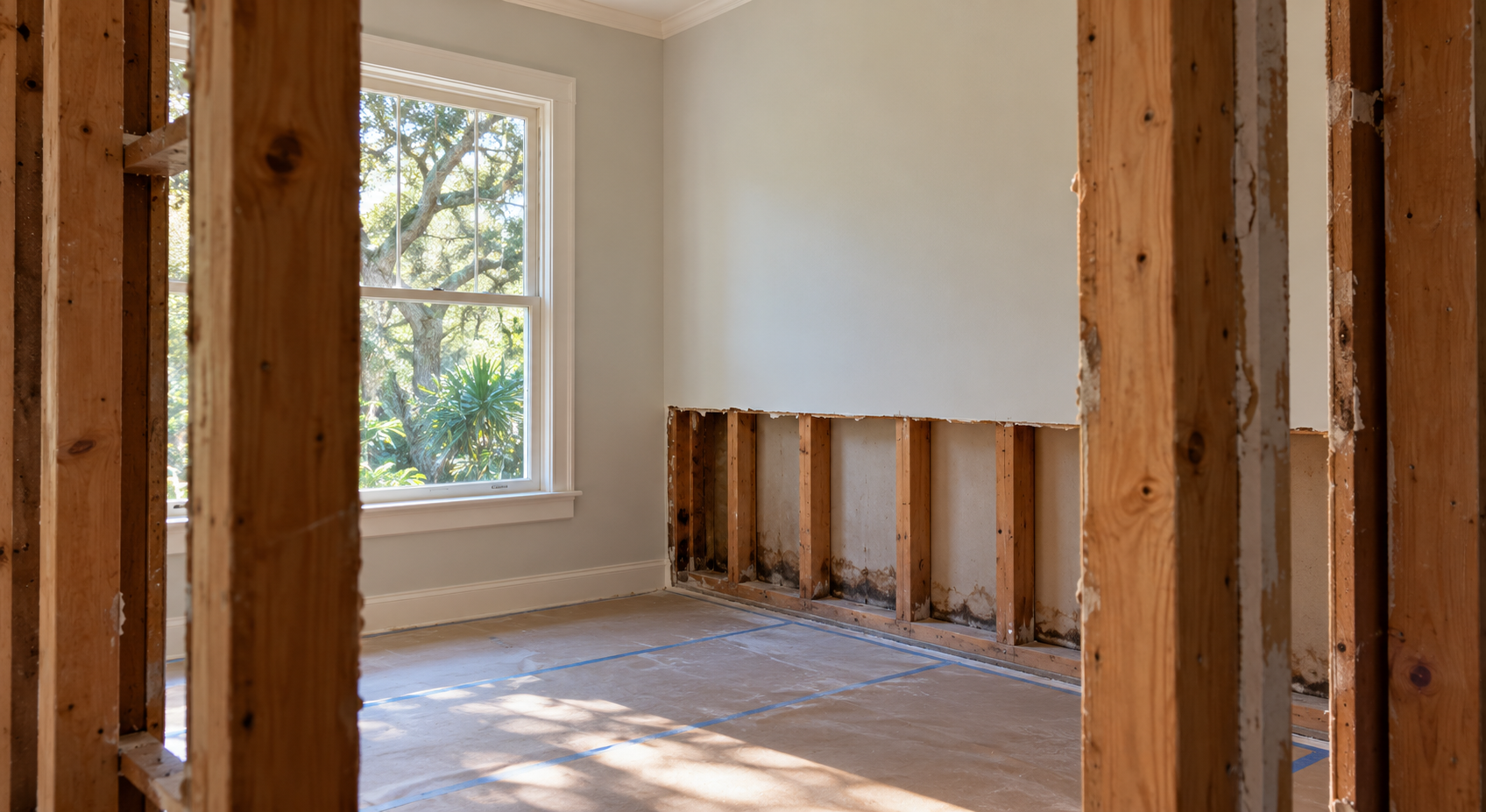
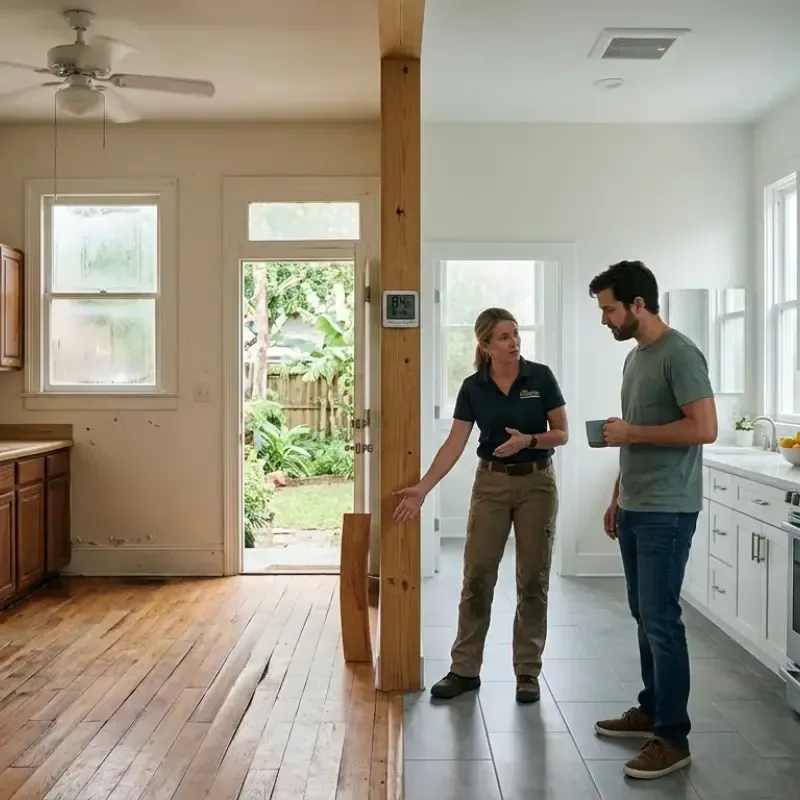
Acadiana homes often surprise homeowners once demolition begins. Hidden plumbing issues, outdated electrical systems, and uneven framing appear more often than people think. A beginner should expect surprises rather than fear them. These discoveries allow the remodel to address underlying problems instead of covering them.
Planning a contingency fund is the smartest way to manage these surprises. Many professionals recommend ten to twenty percent of the budget reserved for unforeseen repairs. This approach keeps the project moving rather than forcing a pause when new issues arise.
Communication and Documentation Keep the Project on Track
Beginners sometimes overlook the importance of consistent communication. Every decision should be documented. This includes materials, layout changes, finishes, and timelines. Clear communication keeps expectations realistic and ensures the remodel stays aligned with the plan.
Detailed agreements prevent confusion later. A homeowner who takes notes, keeps receipts, and confirms decisions will navigate the project with more confidence. Organization is one of the most underrated skills in remodeling.
A Structured Plan Leads to a Successful Remodel
A beginner remodeler in Lafayette will have a far smoother experience by approaching the project with clarity, preparation, and patience. A successful remodel is not built on inspiration alone. It is shaped by realistic budgets, well-defined goals, proper sequencing, and informed material choices.
| Step | Phase | Key Purpose |
|---|---|---|
| 1 | Budget | Set financial limits |
| 2 | Scope/Layout | Define structure and goals |
| 3 | Material Selection | Impacts timeline and cost |
| 4 | Permits | Legal compliance |
| 5 | Demolition | Clear existing structure |
| 6 | Framing | Structural setup |
| 7 | Plumbing/Electrical | Core systems install |
| 8 | Insulation | Energy efficiency |
| 9 | Drywall | Interior structure |
| 10 | Finishes | Aesthetic completion |

Written By:
Kurt Manalastas
Home & Property Research Journalist
Kurt is a Home & Property Research Journalist who creates educational content on home services, property improvements, and residential decision-making. He turns contractor insights, industry standards, and research findings into clear, practical guidance that helps homeowners better understand their options and make informed property decisions.