How to Design an Accessible & Senior-Friendly Kitchen in Lafayette
Aging-in-Place Insight:
A senior-friendly kitchen in Lafayette should reduce fall risk, repetitive strain, and unnecessary movement through safer flooring, better lighting, wider circulation, and easier storage access. When accessibility is planned around daily routines and local home conditions, the kitchen stays safe, comfortable, and livable for years.
Designing a kitchen for aging in place becomes more urgent the moment you notice the small struggles most families overlook, like an elderly parent pausing before reaching an upper cabinet, using the countertop edge for balance, or hesitating on a slick floor after washing dishes. In homes where aging in place is becoming a practical priority,
kitchen remodeling services in Lafayette focus on removing those daily friction points before they turn into injuries, helping the kitchen stay safe, familiar, and easy to use for years.

Choose Surfaces, Lighting, and Hardware That Support Daily Ease
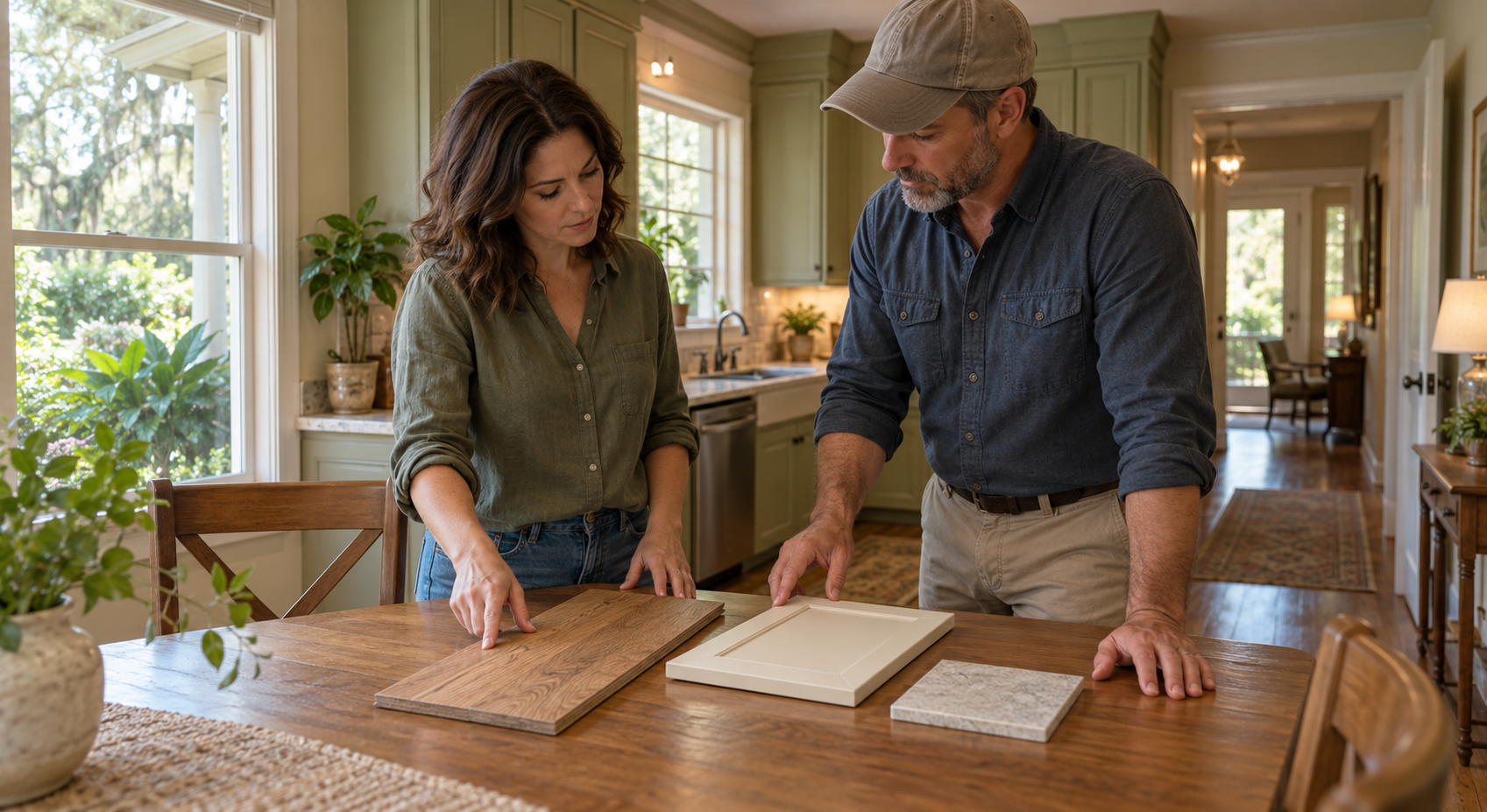
Accessibility is often won or lost in the details, and this is where our kitchen remodelers focus heavily on real-world usability.
Flooring should provide slip resistance without creating drag for walkers or canes. Textured luxury vinyl plank or matte-finish tile tends to perform well in Lafayette’s humid conditions because it handles moisture better than highly polished surfaces.
Lighting is equally critical. Aging eyes need more consistent, glare-free illumination, especially near prep zones and sinks. Layered lighting works best:
- overhead ambient lighting for full-room visibility
- under-cabinet task lighting for countertops
- toe-kick lighting for nighttime navigation
We have seen many remodels rely only on decorative pendants, which leaves dangerous shadows near corners and appliances. Good lighting design prevents hesitation and improves confidence during daily use.
Cabinet hardware should also reduce grip strain. D-shaped pulls are easier to use than small knobs, especially for homeowners with arthritis or limited hand strength.
| Element | Recommended Option | Why It Works for Aging in Place |
|---|---|---|
| Flooring | Textured LVP / matte tile | Slip-resistant, handles humidity |
| Lighting | Layered lighting | Reduces shadows, improves visibility |
| Hardware | D-shaped pulls | Easier grip, less strain |
Layout That Reduces Steps and Risk
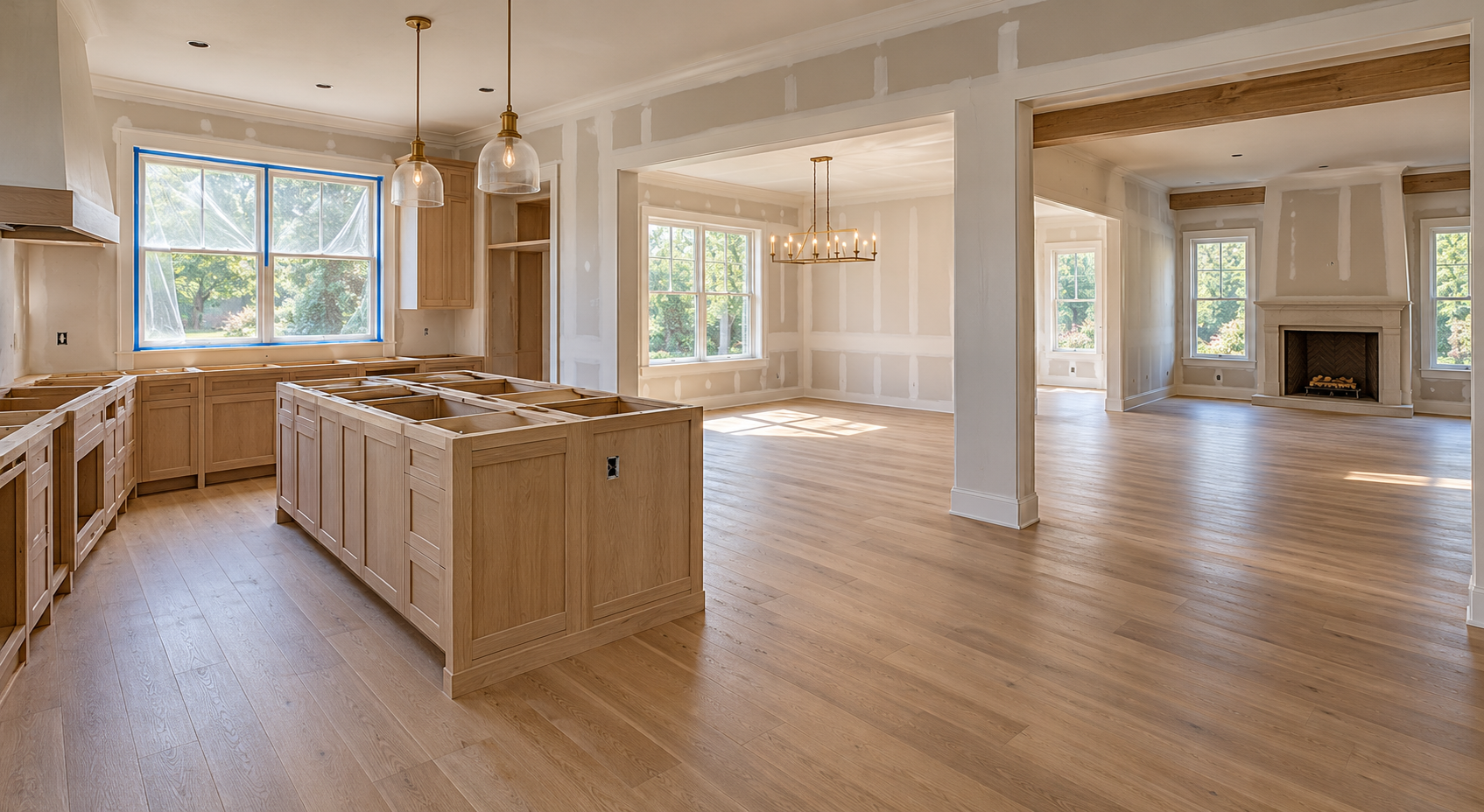
The most effective accessible kitchens begin with circulation. In our work across Lafayette homes, we have seen beautiful kitchens become frustrating because the work zones are too spread out or filled with tight turns.
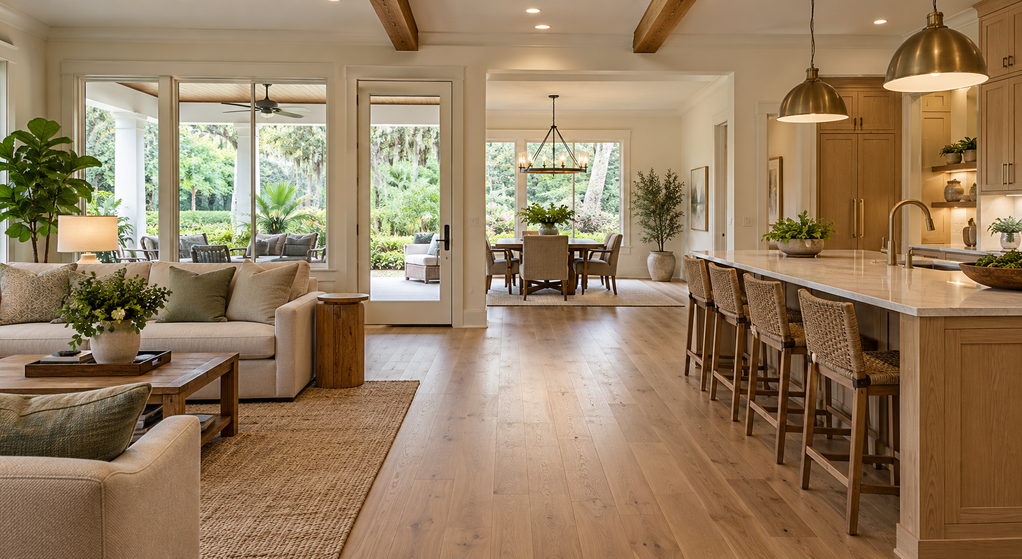
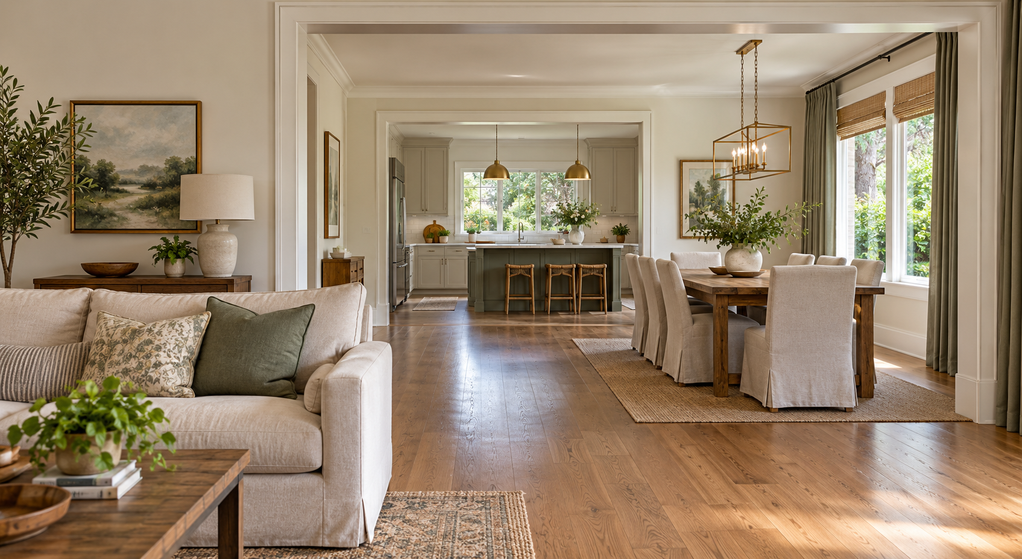
A smart layout keeps the sink, refrigerator, and cooktop close enough to minimize repeated walking. For seniors, fewer steps between these zones directly reduces fatigue and lowers fall risk. Wide walkways, ideally 42 to 48 inches, allow easier turning with walkers or mobility aids and make the space feel less restrictive.
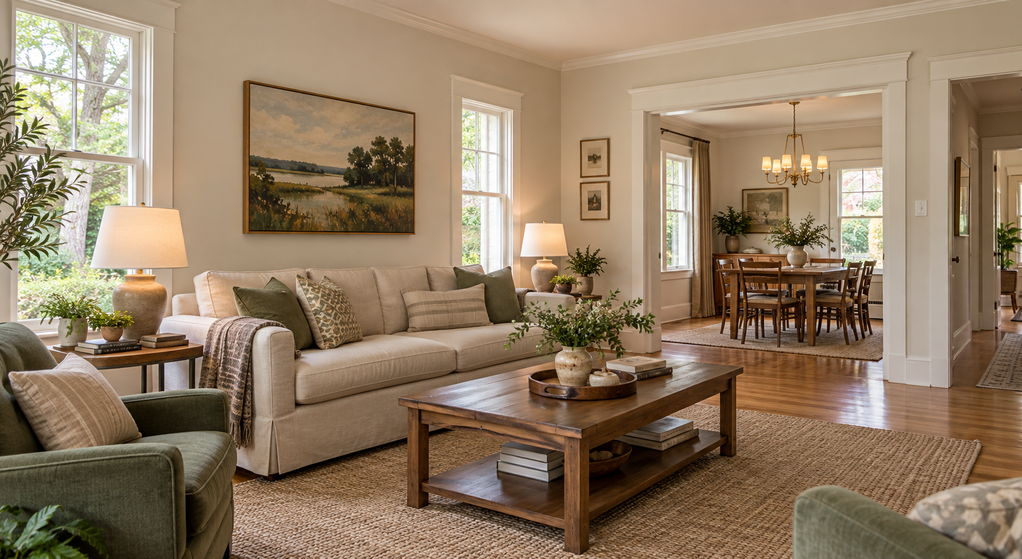
This matters even more in many older Lafayette homes, where kitchens were originally designed with narrow corridors and segmented cabinetry walls. Updating these layouts improves not only convenience but long-term livability.
One common mistake is oversizing the island. Large islands may look impressive, but they often create unnecessary walking paths and awkward corners. A smaller, well-positioned island with rounded edges is usually the safer and more functional choice. If you have a small kitchen, review how to maximize small kitchen space to improve functionality and make the most of every inch.
Lower the Physical Demands of Everyday Tasks
The most senior-friendly kitchens remove repetitive reaching, bending, and lifting wherever possible.
Base cabinets with pull-out shelves are far more practical than deep fixed shelves. Frequently used cookware should stay between waist and shoulder height to reduce strain. Microwave drawers, side-opening wall ovens, and refrigerator drawers are all strong options because they reduce awkward movements.
Countertop height should also be considered carefully. Standard counter heights may not be ideal for every homeowner. In some Lafayette remodels, multi-height counters have proven to be the better long-term solution, especially when seated prep areas are included.
The tradeoff here is balancing universal usability with resale flexibility. While extreme customization can narrow buyer appeal, thoughtful accessibility upgrades such as pull-outs, soft-close drawers, and varied-height prep areas tend to improve marketability because they also appeal to multi-generational households.
To support this balance, review the most popular kitchen layouts and consider which ones offer the best mix of accessibility and lasting market appeal.

Make Safety Features Feel Natural, Not Clinical
One of the biggest design mistakes is making accessible kitchens look institutional. A senior-friendly kitchen should still feel warm, residential, and visually inviting.
Rounded countertop corners reduce injury risk without drawing attention to the safety feature. Lever-style faucets are easier on the hands while still looking modern.
Induction cooktops are particularly strong choices because they stay cooler and reduce accidental burn risk.
Another smart move is including seated zones for prep work. A small knee-space section beneath one counter can support longer cooking sessions without fatigue.
Based on experience with Lafayette families planning for aging parents, these subtle choices often make the biggest difference because they preserve dignity while quietly improving function.
Plan Around Lafayette’s Climate and Home Styles
Kitchen accessibility advice should always reflect local housing realities. Many Lafayette and Acadiana homes feature older floorplans, varied slab conditions, and moisture-heavy environments.
Humidity affects flooring choices, cabinet durability, and even grip safety. Materials that become slick with moisture or swell over time create unnecessary hazards. This is why practical material selection matters as much as layout.
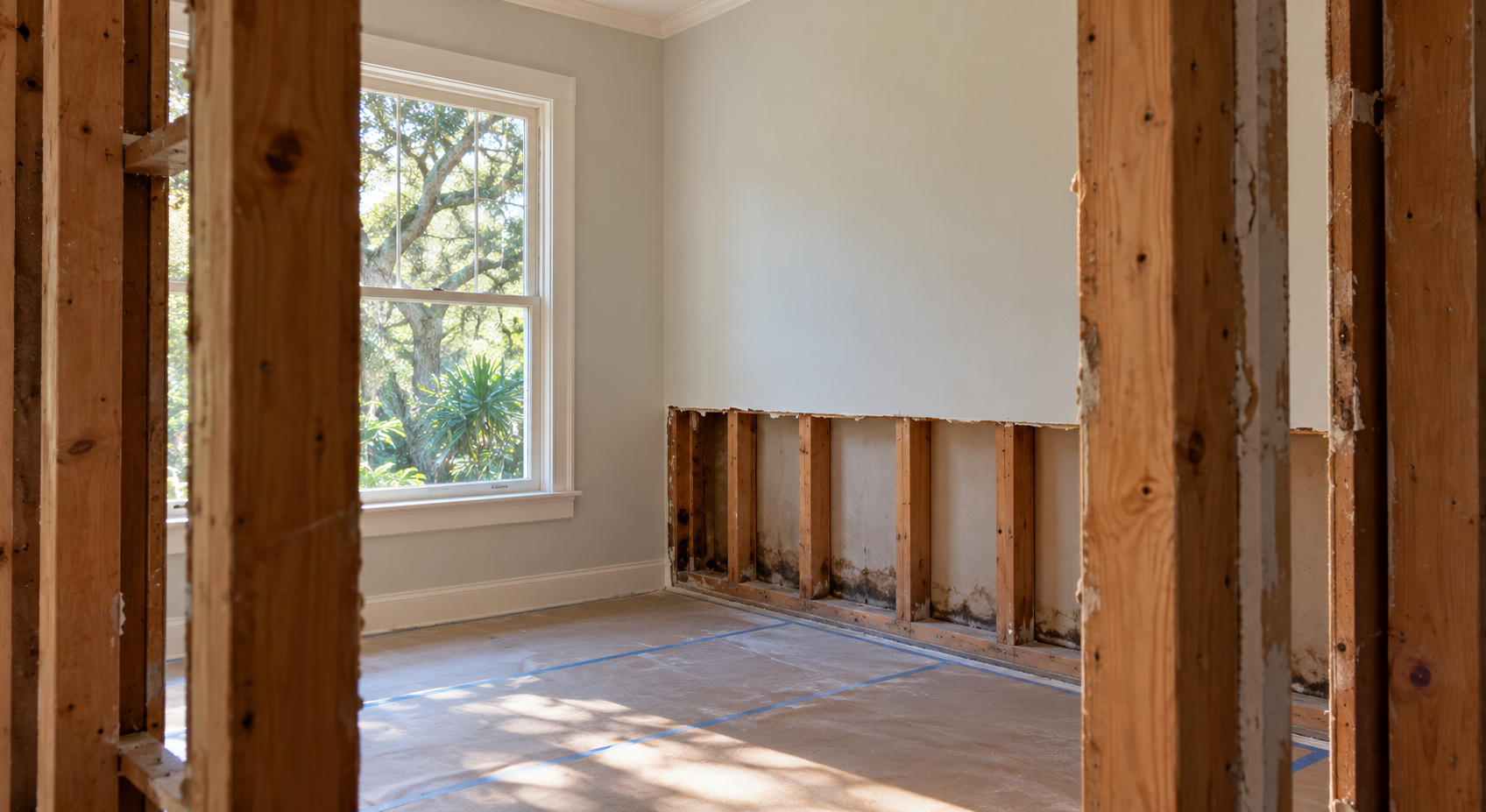
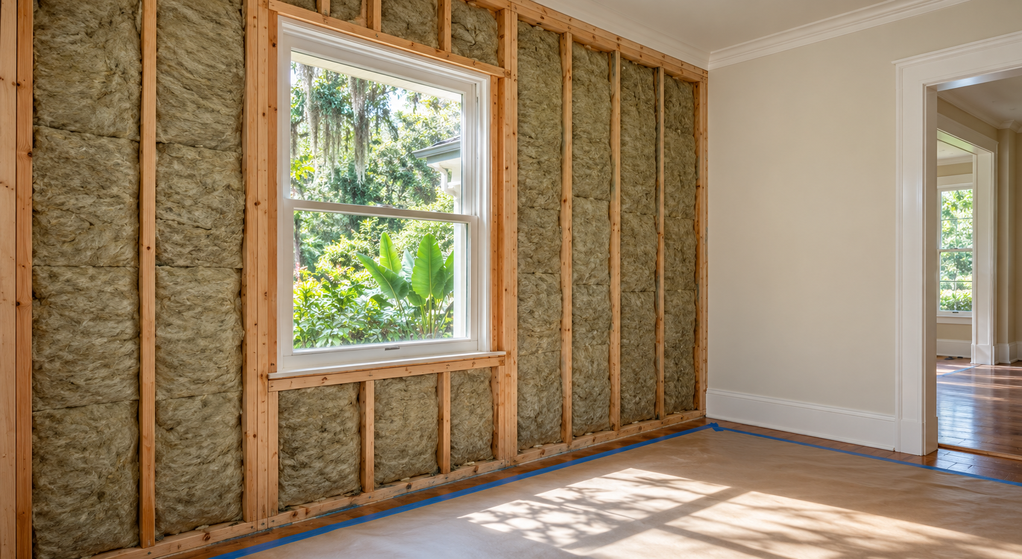
Older homes may also require doorway widening, subfloor leveling, or electrical updates to support better appliance placement. These behind-the-wall improvements are rarely visible, but they are often what makes an accessible design truly work.
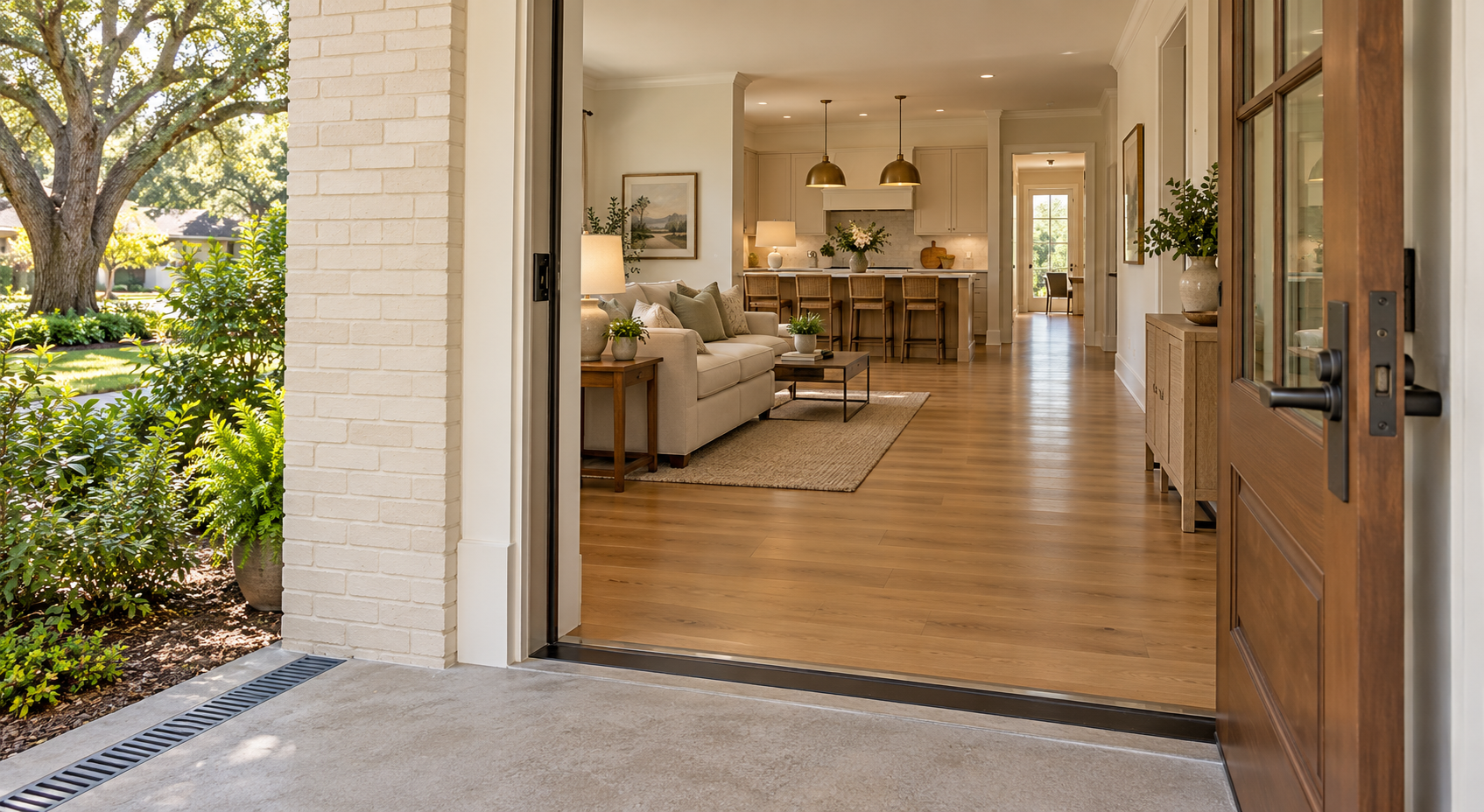
We have seen homeowners focus only on visible finishes while ignoring threshold transitions or uneven flooring. Those hidden issues are where preventable accidents often begin.
The Smarter Long-Term Design Decision
The best senior-friendly kitchens are the ones that allow homeowners to keep using the space confidently without assistance. Good design reduces future remodeling needs, lowers injury risk, and helps families stay in homes they already love.
The clearest takeaway is to design for comfort five to ten years ahead, not just for today’s mobility level. Prioritize wider paths, safer flooring, easier storage access, and better lighting from the start.
For Lafayette homeowners, the next smart step is evaluating how daily kitchen routines currently create strain. Once those friction points are identified, the right design choices become much easier and far more cost-effective to implement early.

Written By:
Kurt Manalastas
Home & Property Research Journalist
Kurt is a Home & Property Research Journalist who creates educational content on home services, property improvements, and residential decision-making. He turns contractor insights, industry standards, and research findings into clear, practical guidance that helps homeowners better understand their options and make informed property decisions.