What to Renovate First in an Older Home in Lafayette
Summary
Start an older Lafayette home renovation by correcting active water intrusion, structural concerns, unsafe electrical conditions, and failing plumbing or mechanical systems. Once the house is stable, plan related work together, complete hidden upgrades before closing walls, and then invest in the kitchen, bathrooms, and cosmetic finishes.
Older homes often present several needs at once. The kitchen may feel dated, the floors may be worn, and the electrical panel or plumbing may also be approaching the end of its useful life. The right first project is not automatically the most visible one. It is the work that protects the house, reduces risk, and prevents later improvements from being damaged or removed.
Before comparing cabinets or paint colors, homeowners exploring whole-home improvement services in Lafayette should evaluate the condition of the building as a connected system. A leak near the roofline, for example, can affect insulation, framing, ceilings, and interior finishes below it.
Glynn Hux, owner of Home Remodeling Pros Lafayette LA, has more than 20 years of hands-on remodeling experience in Lafayette and Acadiana. His practical advice is to establish the budget before starting. That is especially important in an older home, where concealed conditions can change the scope after surfaces are opened.
Begin With Problems That Can Cause Injury or Further Damage

Give first priority to conditions that are unsafe, actively damaging the house, or likely to make other renovations short-lived. Warning signs may include:
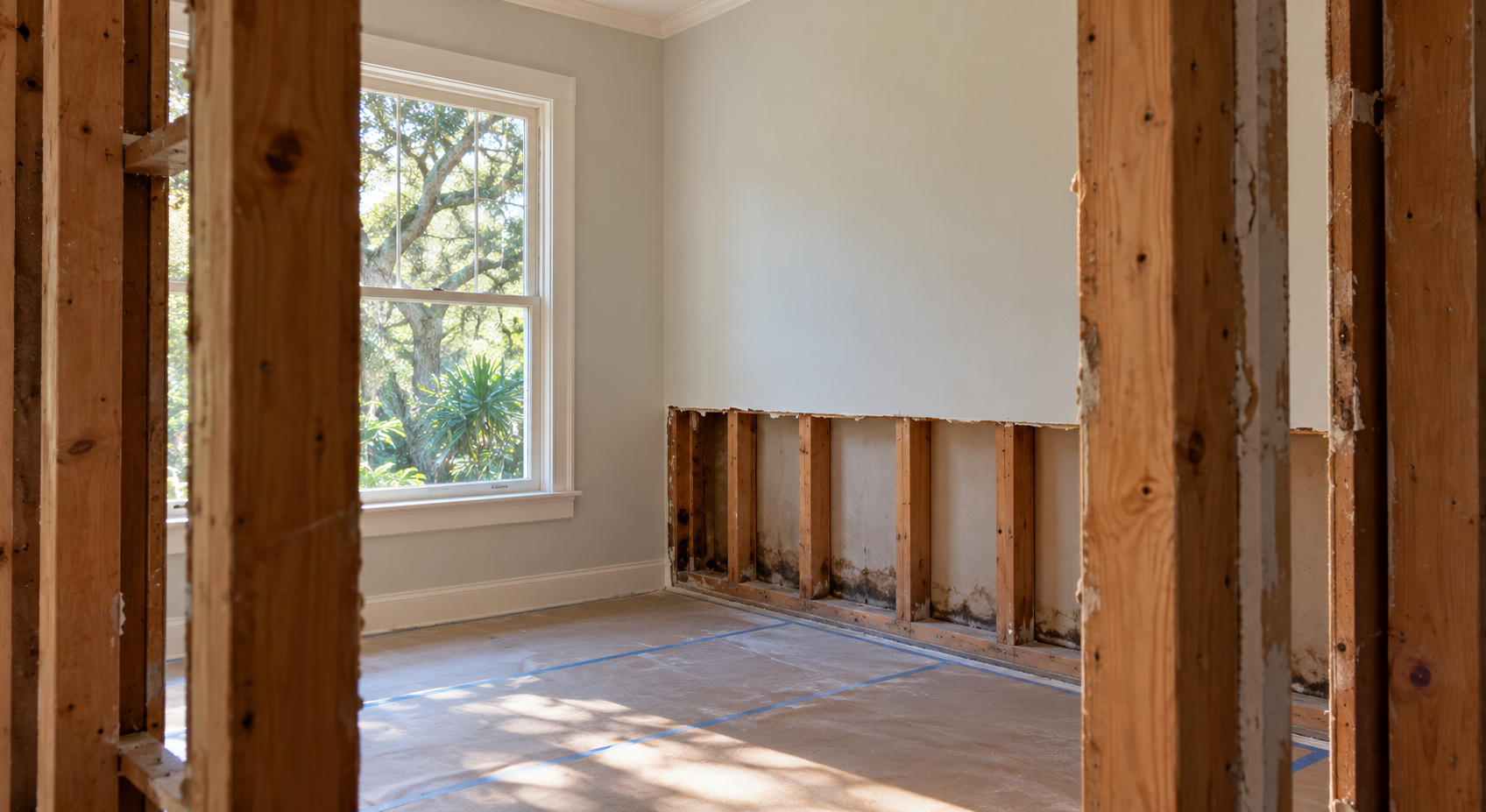
- Water entering through the roof, exterior walls, windows, or crawl space
- Sagging floors, significant movement, or damaged structural framing
- Overheating electrical components, frequently tripped breakers, or damaged wiring
- Persistent plumbing leaks, corroded supply lines, or unreliable drainage
- Heating, cooling, or ventilation problems that affect safe occupancy
These signs do not identify the cause by themselves. They indicate that the relevant system needs an appropriate inspection before cosmetic work begins. Repainting a water-stained ceiling before repairing the leak only hides the symptom. Installing new flooring over a damp or unstable subfloor can turn one repair into two.
Moisture deserves particular attention in South Louisiana. Check the attic, roof penetrations, exterior drainage, plumbing access points, crawl space, and areas around windows and doors. Damp wood can deteriorate and may also create conditions favorable to wood-destroying insects.
Inspect Before Demolition Changes the Budget
An older house can contain several generations of repairs, including concealed framing damage, improvised wiring, aging pipes, or incompatible materials. A preconstruction review cannot reveal everything behind closed walls, but it can identify likely trouble spots.
Document known defects and separate them into three categories: urgent repairs, upgrades required for the planned renovation, and improvements that can wait. Then connect the scope to a contingency reserve.
The home’s age also affects how demolition should be planned. Renovation work can disturb old painted surfaces, and the EPA Lead Renovation, Repair and Painting Program applies to paid work that disturbs paint in many pre-1978 homes. Confirm the construction date and discuss testing and lead-safe practices before sanding, cutting, or removing painted components.
The guide on
how to avoid surprise costs during a remodel in Lafayette explains how inspections, detailed scopes, material selections, and written change orders help control uncertainty.
Plan the Whole House Before Renovating One Room
Even if the budget allows work on only one area, create a basic plan for the entire house. Identify future layout changes, electrical loads, plumbing locations, HVAC needs, flooring transitions, and finish direction.
Replacing floors may be premature if a future kitchen layout will move an island or remove a wall. New cabinets should not go in before plumbing and electrical changes behind them are complete.
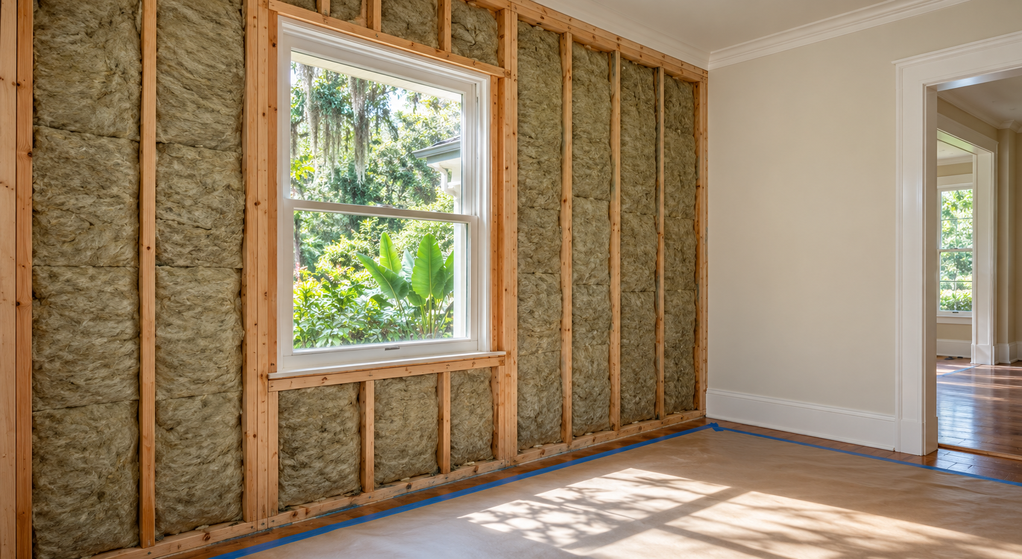
A sensible sequence usually moves from structural repairs to concealed mechanical, electrical, and plumbing work. Insulation and wall repairs follow, then cabinets, flooring, paint, and trim. The exact order changes with the design, but disruptive work should precede fragile finishes.

Choose the First Room Based on Daily Impact

Once the home is dry, safe, and structurally stable, decide which room creates the greatest practical benefit. A kitchen may deserve priority when poor storage, limited preparation space, failing cabinets, or an inefficient layout affects the household every day. The article on why the kitchen is often the best place to start a Lafayette home remodel explores how kitchen decisions can influence nearby flooring, lighting, plumbing, and connected living spaces.
A bathroom may come first when leaks, damaged surrounds, poor ventilation, unsafe access, or an impractical layout create a more immediate concern. For households planning to remain in the home, accessibility needs may outweigh resale considerations.
Avoid choosing a room solely because it appears easiest. Starting with a low-impact cosmetic project can use money needed for concealed repairs and may create surfaces that later construction must disturb.
Use a Simple Priority Test
Rank each proposed project by asking:
- Does delaying it create a safety concern or allow damage to continue?
- Will later work require this improvement to be opened, moved, or replaced?
- Does it affect several rooms or systems?
- How much will it improve daily function?
- Can the budget cover the defined scope plus a realistic reserve?
Projects that protect the structure or unlock several later improvements belong near the top. Cosmetic updates that do not affect safety, durability, or function can usually wait.
Make the First Renovation Support the Next One
The first renovation in an older Lafayette home should leave the property safer, drier, and easier to improve. Address active damage and unsafe conditions, investigate hidden risks, and map the full sequence before committing money to visible finishes. Once the foundation of the plan is sound, choose the kitchen, bathroom, or living area that will deliver the greatest daily value without creating future rework.

Written By:
Kurt Manalastas
Home & Property Research Journalist
Kurt is a Home & Property Research Journalist who creates educational content on home services, property improvements, and residential decision-making. He turns contractor insights, industry standards, and research findings into clear, practical guidance that helps homeowners better understand their options and make informed property decisions.