How to Decide Whether a Lafayette Home Is Worth Renovating
Summary
A Lafayette home may be worth renovating when its structure is sound, the location still fits your needs, and the realistic project cost makes sense for your expected years of use. Inspect hidden risks, price the full scope, check flood and permit requirements, and compare renovation with selling before committing.
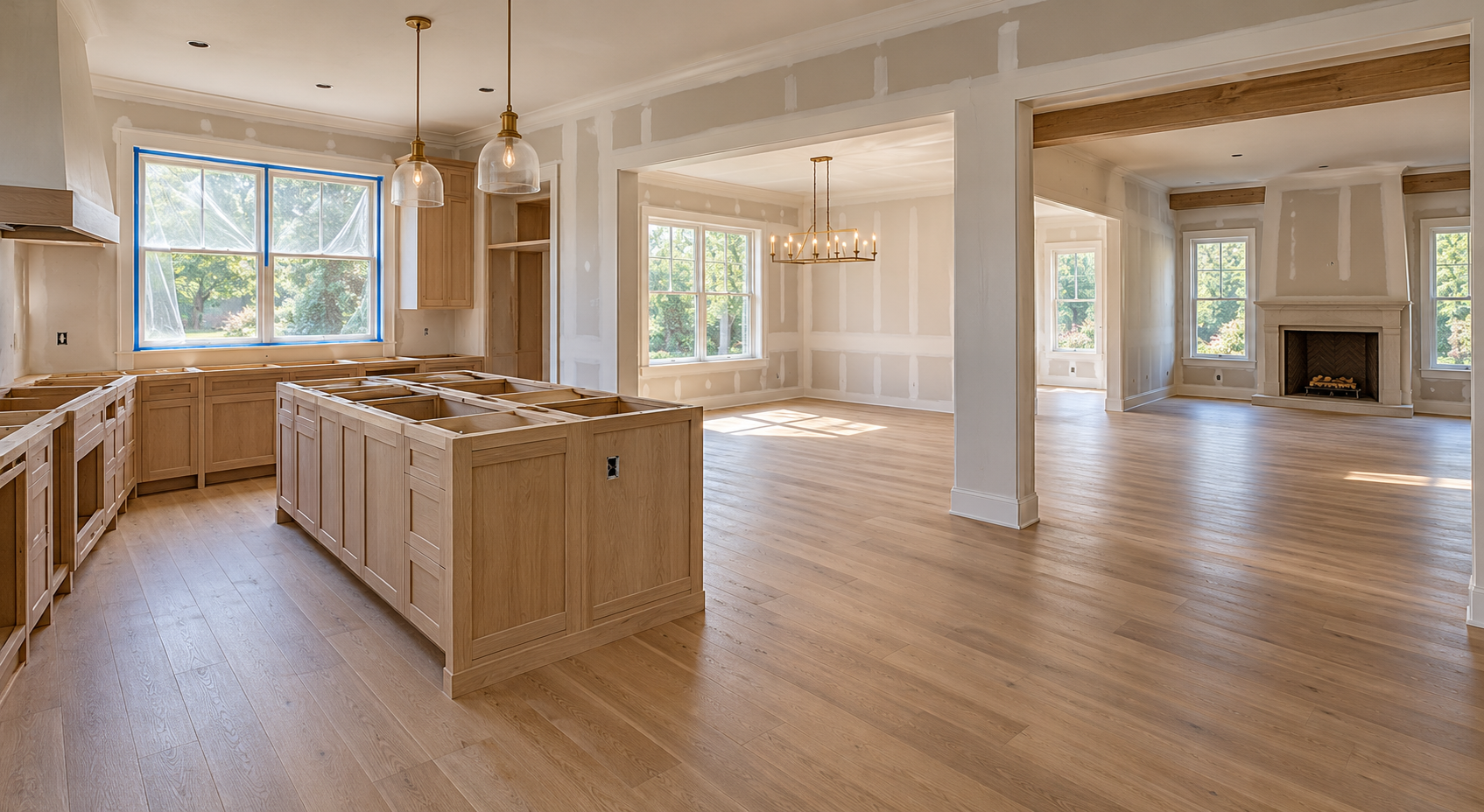
A dated kitchen or awkward floor plan does not automatically make a house a poor renovation candidate. The larger question is whether the home’s underlying condition, location, layout potential, and total project cost support the life you want there.
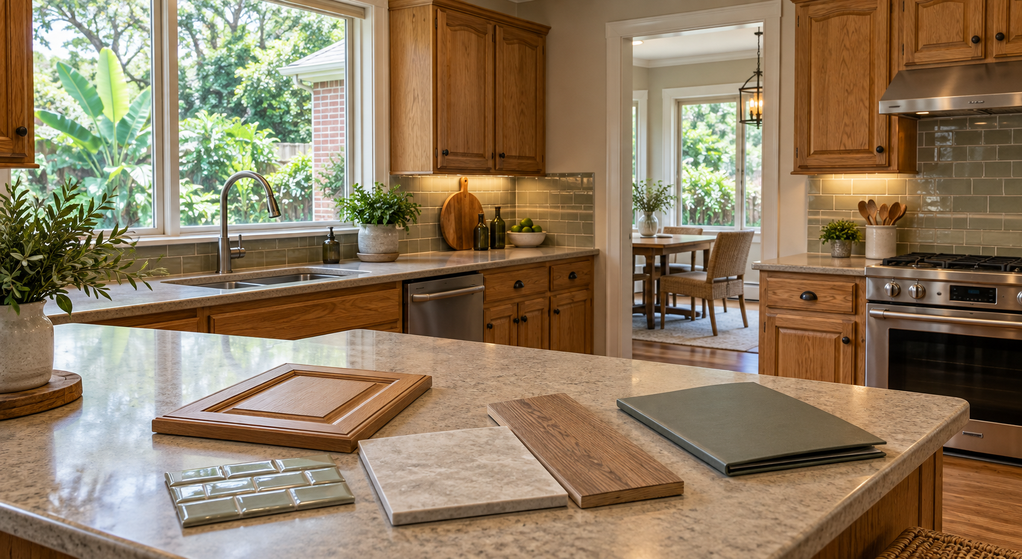
Begin by defining the work accurately. Cosmetic updates, major system repairs, structural changes, and additions carry very different levels of cost and uncertainty. Reviewing the available home improvement and whole-home renovation services in Lafayette can help separate a focused upgrade from a project that affects several rooms and building systems.
Glynn Hux, owner of Home Remodeling Pros Lafayette LA, has more than 20 years of hands-on remodeling experience in Lafayette and Acadiana. His practical advice is to establish the budget before work starts. That step is especially important when deciding whether the entire investment is sensible, not merely whether a design is appealing.
Evaluate the House Before the Finishes
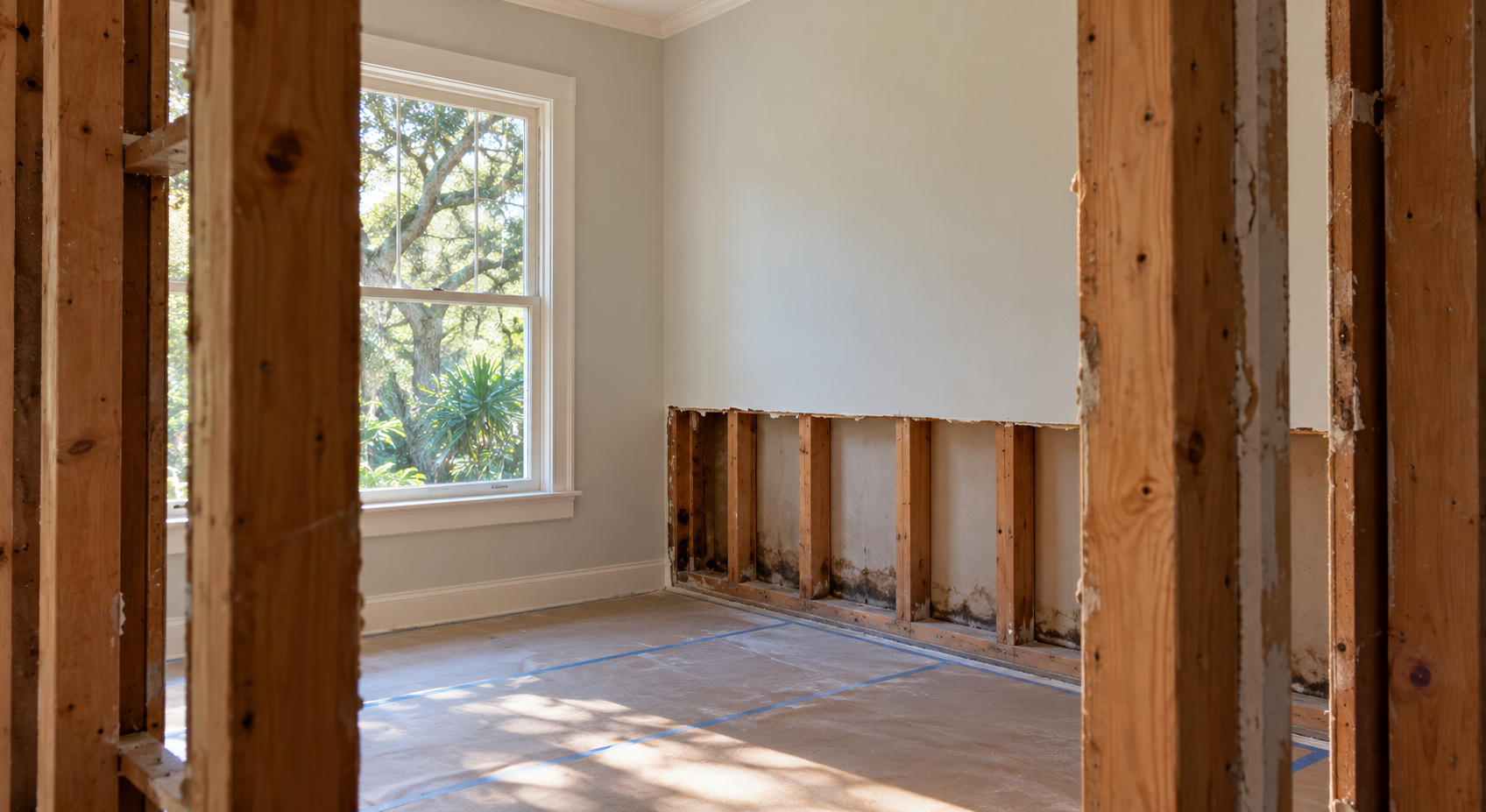
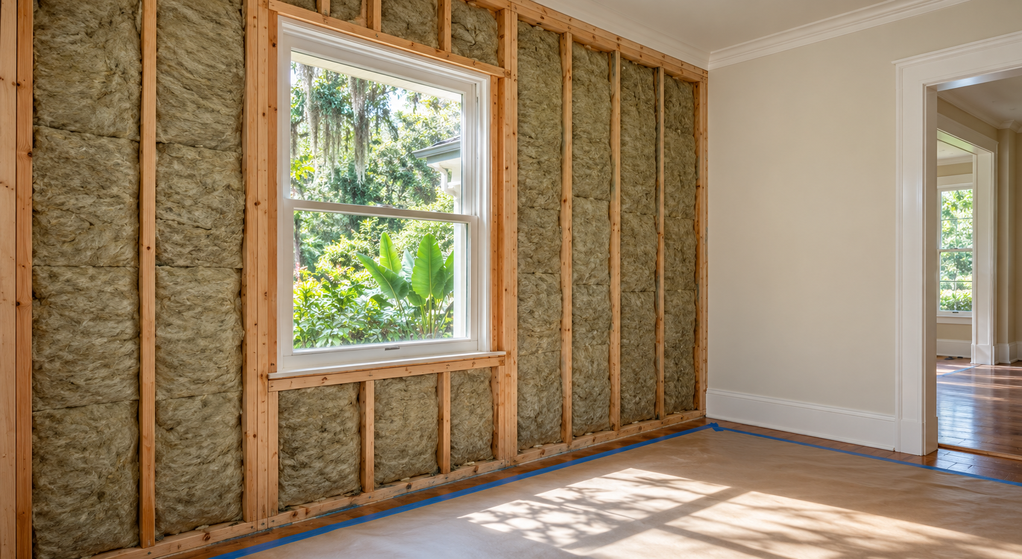
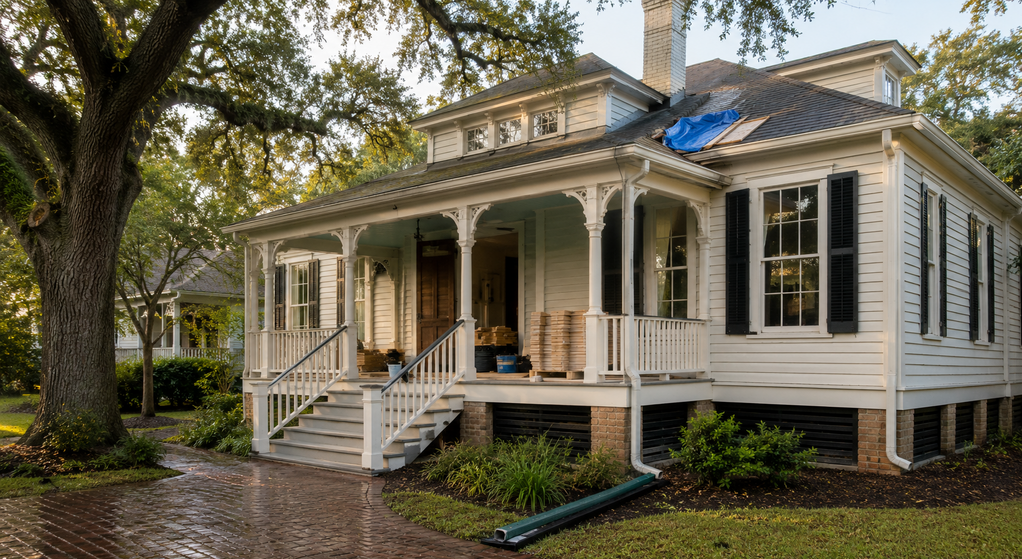
Start with the parts of the home that protect or support everything else: the roof, foundation, exterior drainage, framing, electrical system, plumbing, HVAC, and building envelope. Cabinetry and flooring are generally easier to scope than active leaks, structural movement, unsafe wiring, or widespread moisture damage, which can change both the budget and the order of work.
A general home inspection is a useful starting point, but concerns may require evaluation by the appropriate specialist. Ask for written findings and distinguish urgent repairs from maintenance that can be scheduled later. Renovation becomes easier to justify when major systems are serviceable and the desired changes do not depend on correcting extensive hidden damage first.
Account for Lafayette’s Property Risks
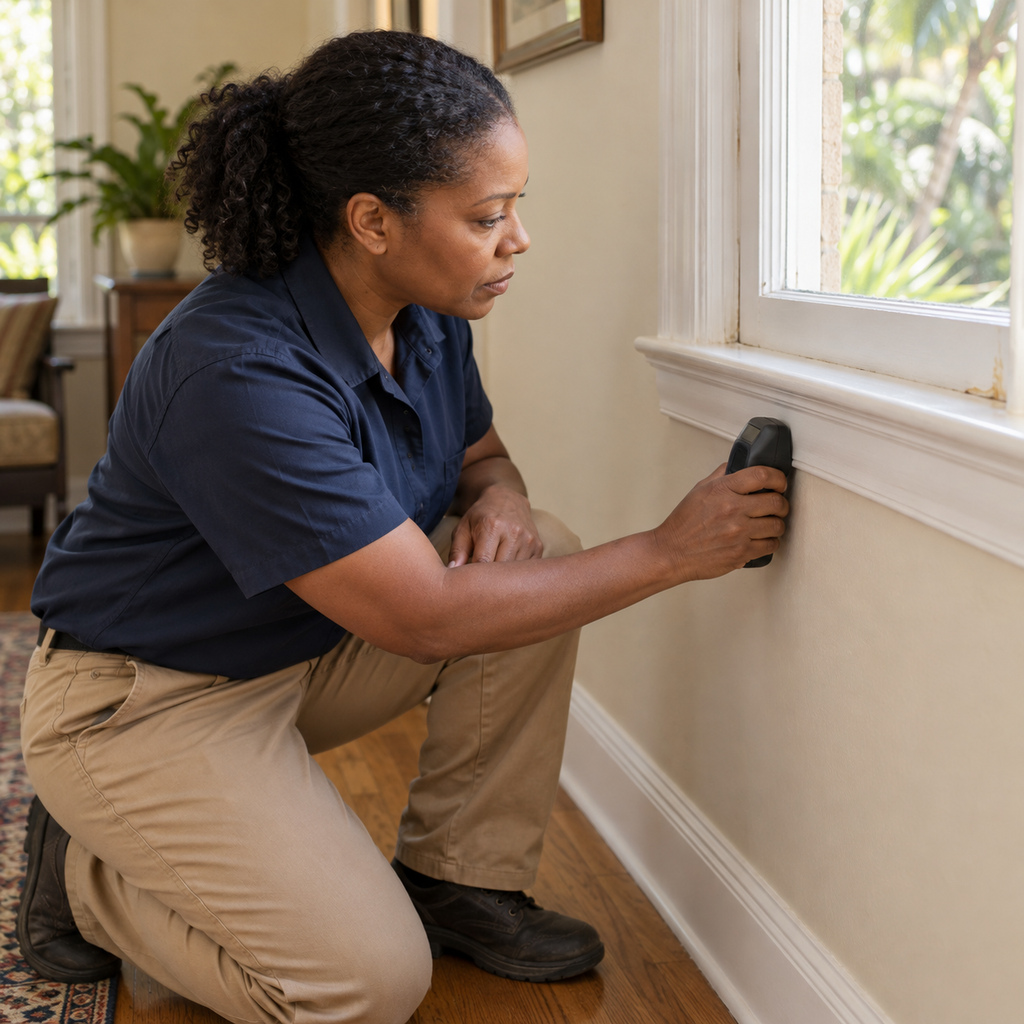
In Lafayette, moisture, drainage, termites, and flood exposure deserve attention before design decisions. Look for stained drywall, swollen trim, soft subflooring, musty odors, standing water near the house, damaged crawl-space components, and evidence of previous repairs. A dry room on inspection day does not establish that the property has no water history.
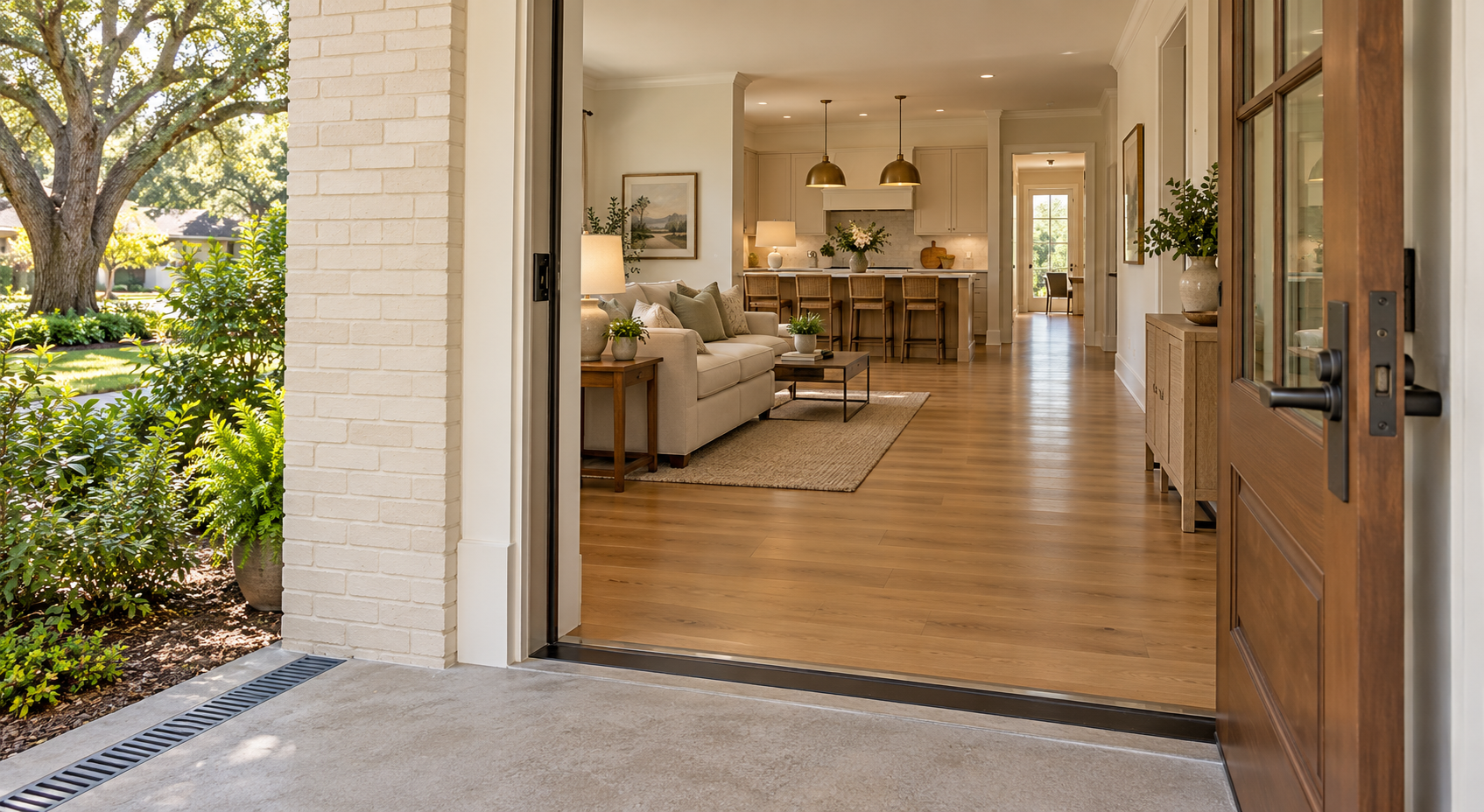
Search the address through the FEMA Flood Map Service Center, the official source for flood-hazard mapping, then ask about prior flooding, elevation information, insurance claims, drainage changes, and completed remediation.
A mapped flood zone does not by itself decide whether renovation is worthwhile, but flood exposure can affect insurance, financing, design choices, and the amount of money it is prudent to invest.
Price the Complete Scope, Not the Visible Upgrade
Create three budget groups: required repairs, functional improvements, and optional finishes. Then include design work, permits, demolition, disposal, temporary living arrangements, material delivery, and a contingency based on the home’s condition and project complexity.
This is where attractive estimates can become misleading. A low figure may exclude finish materials, permit fees, repairs uncovered after demolition, or work by another trade. The detailed guide on how to avoid surprise costs during a remodel in Lafayette explains how scope gaps, allowances, material selections, and change orders can alter the final cost.
Also confirm approvals early. Lafayette Consolidated Government states that most construction activities require permits, while cosmetic work may be exempt. Its official building permit guidance for Lafayette can help you identify which questions to ask before finalizing a schedule or budget.
Compare Cost With Both Resale and Use Value
Do not assume every remodeling dollar will return through resale. Ask a local real estate professional or appraiser how the current home and the proposed finished home compare with nearby sales. If the renovation would push the property far above what buyers typically pay in the area, part of the investment may be personal rather than recoverable value.
That does not automatically make the project unwise. A layout that supports aging in place, multigenerational living, remote work, or several more years in a valued neighborhood may be worth more to your household than its immediate resale contribution.

To prioritize the budget, review which remodeling projects can add the most value, but treat national return figures as context rather than a promise for one Lafayette property.
Compare Renovating With the Real Cost of Moving
Price the alternative honestly. Include selling expenses, moving costs, possible repairs before listing, the purchase price of a suitable replacement, financing terms, insurance, taxes, and any work the next home would still need.
Renovation often has a stronger case when you like the location, the lot and basic structure work for you, and the project can solve the home’s main limitations. Moving may be more practical when the property cannot provide the needed size, accessibility, parking, or flood-risk profile without disproportionate structural work.

Make the Decision From Written Information
Before committing, assemble:
- An inspection report and any specialist evaluations
- A defined scope separating repairs from upgrades
- A detailed estimate with allowances and exclusions
- Permit and floodplain questions for the applicable local office
- A contingency suited to the home’s age and uncertainty
- A realistic after-renovation value range
- A comparison with the full cost of moving
- The number of years you reasonably expect to remain
A home is usually a better renovation candidate when its core structure is sound, major risks are understood, and the planned work solves important daily problems within a manageable budget. If the decision only works under the lowest estimate, depends on perfect resale recovery, or leaves major damage unexplored, pause and gather better information before proceeding.

Written By:
Kurt Manalastas
Home & Property Research Journalist
Kurt is a Home & Property Research Journalist who creates educational content on home services, property improvements, and residential decision-making. He turns contractor insights, industry standards, and research findings into clear, practical guidance that helps homeowners better understand their options and make informed property decisions.