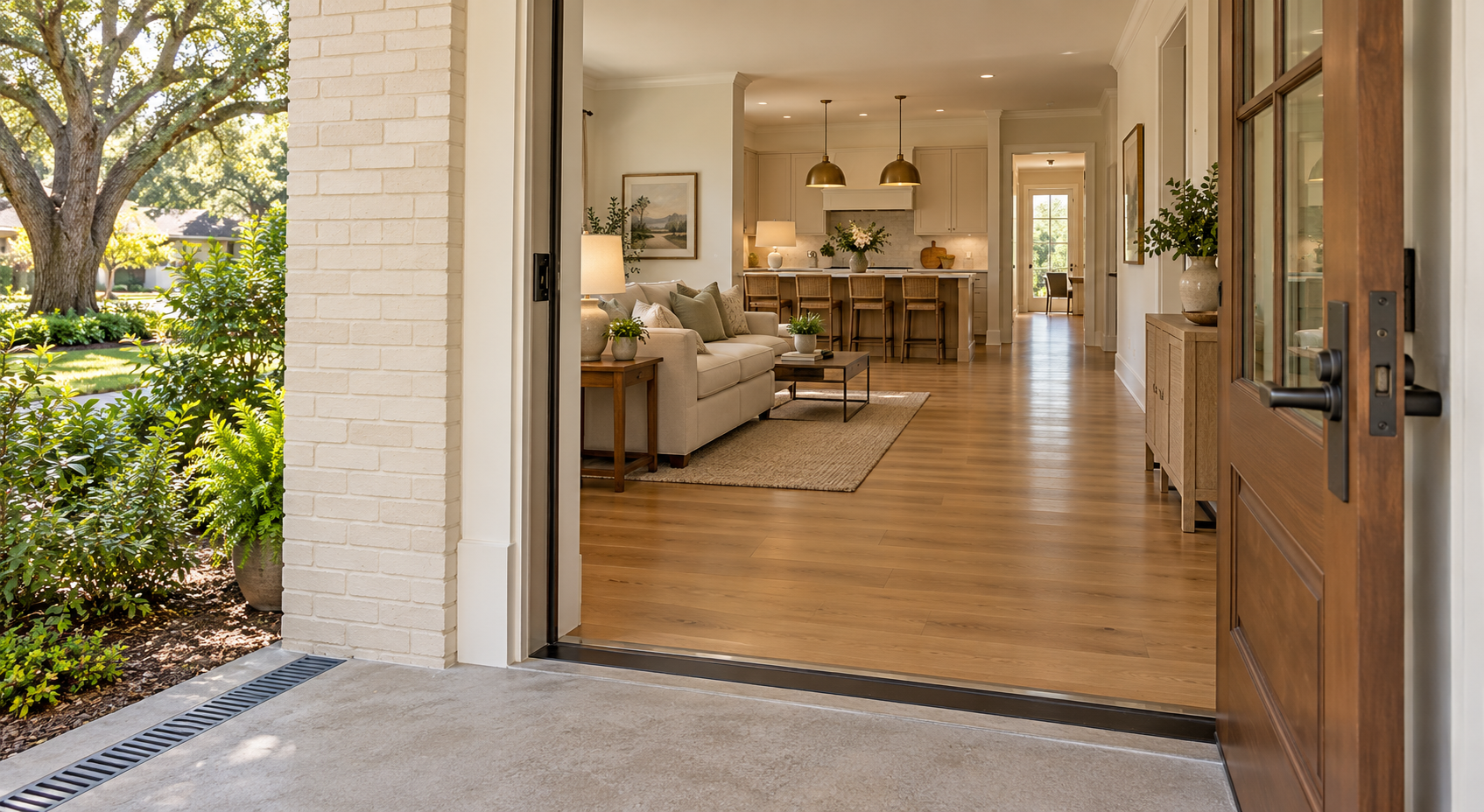
How to Avoid Surprise Costs During a Remodel in Lafayette
Before You Remodel
Avoid surprise remodeling costs in Lafayette by setting a realistic budget, confirming the full scope, inspecting hidden conditions, verifying permits, and selecting materials before demolition. Keep a separate contingency fund, require written change orders, and track every payment and decision throughout the project.
Home remodeling costs rarely increase without a reason. In most cases, the warning signs were present before demolition, but the project began without a complete scope, adequate inspection, or disciplined budget. Homeowners comparing
home improvement services in Lafayette should be cautious of estimates that look unusually low or leave major decisions unresolved. A remodel should begin only after the contractor and homeowner understand what is being changed, which materials will be used, what permits may be required, and how unexpected conditions will be handled.
Build the Budget Before Finalizing the Design
In our work across Lafayette and the Acadiana region, Home Remodeling Pros Lafayette LA have seen homeowners become financially strained when design choices are made before a realistic budget is established. Cabinet styles, tile patterns, plumbing fixtures, lighting, and layout changes can quickly produce a plan that costs far more than expected.
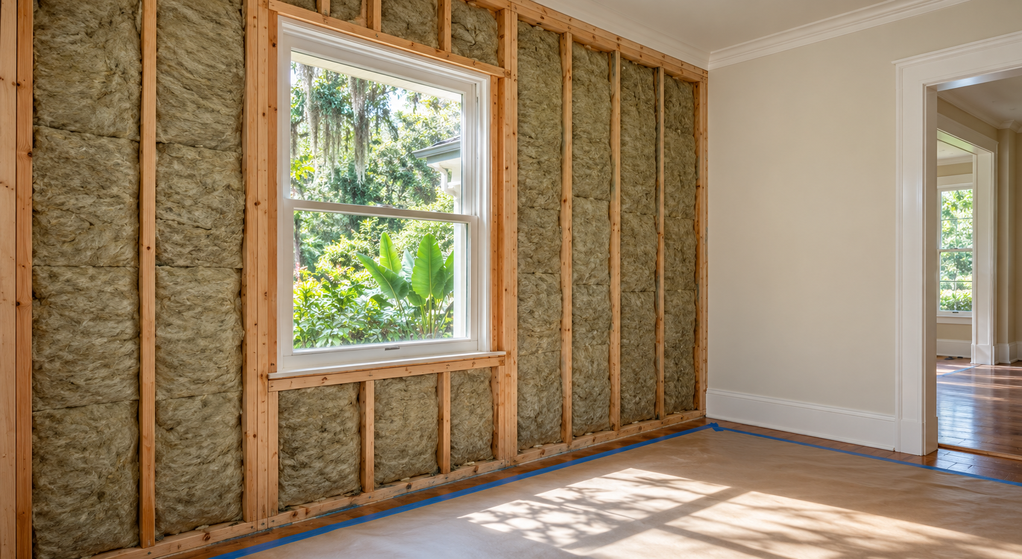
The smarter approach is to set a maximum investment first, then divide it among construction, materials, permits, temporary living arrangements, and contingency funds. This matters because every upgrade can affect another part of the project. Moving a kitchen sink may require plumbing, cabinet, countertop, flooring, and wall repairs. The design may look simple, but the labor sequence is not.
Demand a Detailed Scope of Work
A one-page estimate with a single total is not enough for a serious remodel. When reviewing the services offered by general contractors in Lafayette, LA, homeowners should expect the proposal to identify the major stages of work, cleanup responsibilities, material selections, and exclusions.
Allowances deserve particular attention. An allowance is a placeholder amount for an item that has not been selected. It offers flexibility, but it can also conceal future overruns. If an estimate includes $3,000 for countertops and the final selection costs $5,500, the homeowner must cover the difference. Every allowance should be realistic and clearly labeled.
Homeowners should compare scopes rather than totals. A lower bid may exclude permits, finish materials, disposal, repairs after demolition, or final touchups that another contractor has included.
Investigate Hidden Conditions Early
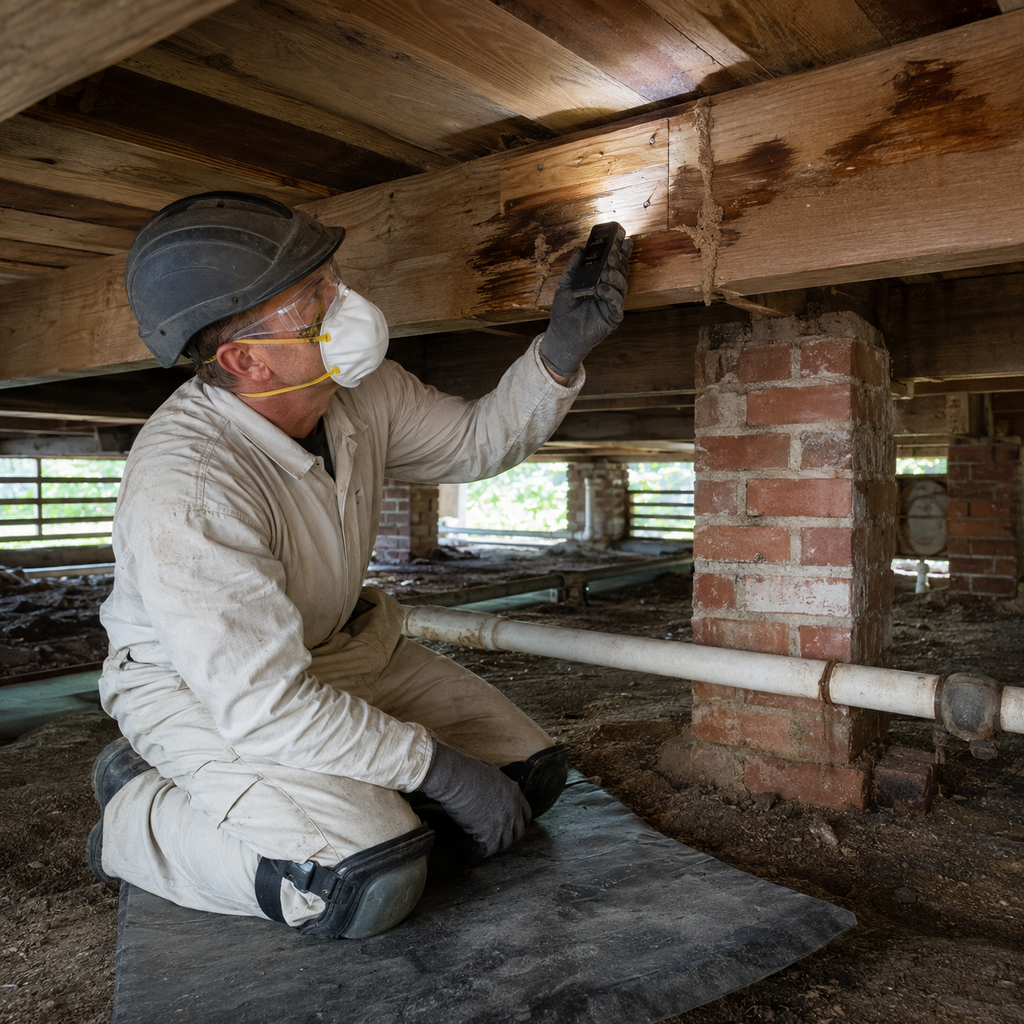
Older Lafayette homes can contain outdated wiring, aging plumbing, moisture damage, termite activity, uneven framing, or previous repairs that do not meet current standards. These conditions often remain concealed until walls, floors, or cabinets are removed.
Preconstruction inspections cannot reveal every defect, but they can reduce uncertainty. Attics, crawl spaces, electrical panels, plumbing access points, exterior drainage, and visible foundation areas should be reviewed before work begins.
In South Louisiana, moisture and wood-destroying insects deserve special attention. LSU AgCenter guidance explains that moisture, standing water, discarded wood, and soil-to-wood contact can contribute to termite problems.
Skipping this review may save a small amount initially, but it can create a much larger repair bill once demolition exposes structural damage.
Confirm Permits Before Construction Starts
Permit assumptions are a common source of avoidable delays and additional costs. Lafayette Consolidated Government states that most construction activities require permits, although cosmetic work may be exempt. Residential remodeling can also involve plan review, inspections, zoning requirements, or setback rules.
The contract should explain who will obtain the permits, who will pay the fees, and which inspections are included in the schedule. Homeowners should never accept “we probably do not need one” as a final answer.
Lafayette Consolidated Government floodplain guidance explains that development in the City of Lafayette and unincorporated Lafayette Parish requires permitting, with additional requirements applying to certain floodplain and floodway properties.

Select Materials Before Demolition
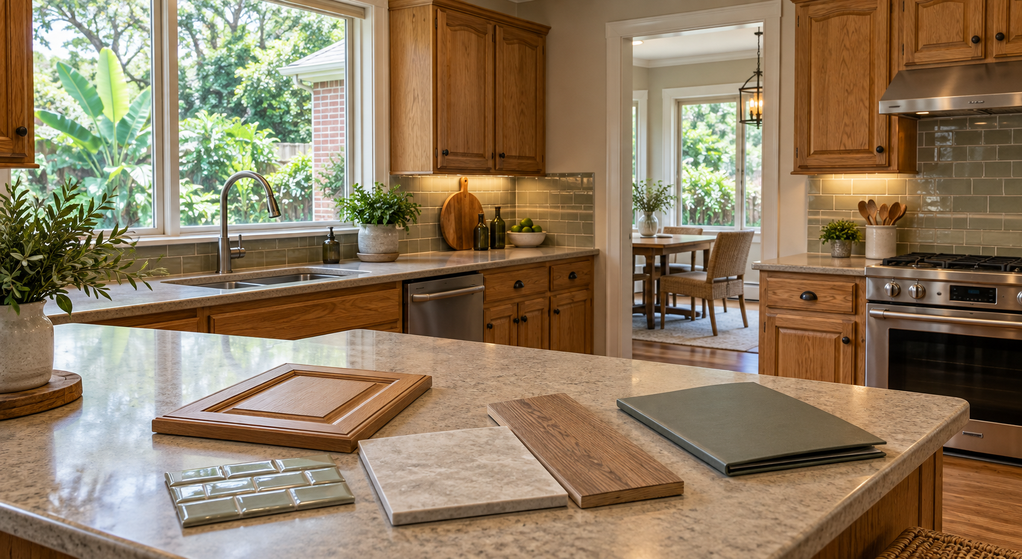
Delayed selections create rushed purchases, substitutions, and schedule extensions. Flooring thickness can affect transitions and doors. Appliance dimensions can affect cabinets and utility locations. Tile size can change labor requirements. A fixture that appears to be a simple visual choice may require different plumbing or electrical connections.
Materials should be selected, priced, and checked for availability before they are needed.
Stock products usually cost less and arrive faster, while custom items provide more control over appearance but increase lead times and replacement difficulty.
Neither option is automatically better. The correct choice depends on the budget, schedule, expected durability, and importance of customization.
Control Changes With Written Change Orders
Verbal changes are one of the fastest ways to lose control of a remodeling budget. Every revision should be documented before the additional work begins. A proper change order should describe the new work, added or reduced cost, payment terms, and effect on the completion date.
Even small requests can disrupt several trades. Adding recessed lights after drywall work has started may involve electrical labor, ceiling repairs, painting, and inspection changes. Written approval forces the full financial and scheduling impact to be considered before a decision is made.
Keep a Real Contingency Fund
A contingency fund should not be treated as money available for optional upgrades. It exists for concealed damage, code corrections, price changes, and other conditions that could not reasonably be confirmed earlier. When reviewing home remodel financing options, homeowners should ensure that the project budget includes a separate reserve for these unexpected costs.
A smaller reserve may be sufficient for a straightforward cosmetic renovation. Older homes, structural changes, kitchens, bathrooms, and full-home renovations generally require more protection because they involve concealed systems.
A contingency reserve should reflect the home’s age, condition, project complexity, and inspection findings rather than rely on one percentage for every remodel. Older homes, structural changes, kitchens, bathrooms, and full-home renovations generally require more protection than straightforward cosmetic work because more concealed systems may be affected.

Track Costs and Decisions Throughout the Project
Homeowners should maintain a record of the original contract, allowances, payments, selections, receipts, and approved change orders. A weekly review is usually enough to identify a developing overrun before it becomes difficult to correct.
The most reliable way to avoid surprise costs is to remove uncertainty before construction and control every new decision afterward.
Before signing a remodeling contract in Lafayette, confirm the complete scope, permit responsibility, material selections, contingency amount, payment schedule, and change-order process. That preparation gives the homeowner a realistic budget and a much stronger position throughout the remodel.

Written By:
Kurt Manalastas
Home & Property Research Journalist
Kurt is a Home & Property Research Journalist who creates educational content on home services, property improvements, and residential decision-making. He turns contractor insights, industry standards, and research findings into clear, practical guidance that helps homeowners better understand their options and make informed property decisions.