The Benefits of Working With a Local Home Remodeling Company in Lafayette
Why Local Works Better
Working with a local home remodeling company in Lafayette gives homeowners better planning, regional building knowledge, easier communication, stronger trade coordination, practical material guidance, and greater accountability. These advantages can reduce delays, prevent avoidable mistakes, control costs, and help renovations perform better under Acadiana’s climate and construction conditions.
Remodeling requires dozens of connected decisions involving design, budgeting, materials, permits, scheduling, and construction. One poor decision early in the process can create expensive problems later. Homeowners searching for the
home improvement service in Lafayette should therefore consider more than price or an impressive portfolio. A qualified local remodeling company offers practical knowledge of Lafayette homes, regional conditions, nearby suppliers, and the expectations of homeowners throughout Acadiana. For most substantial renovations, that local understanding makes the company a safer and more effective choice.
Local Experience Leads to Better Planning
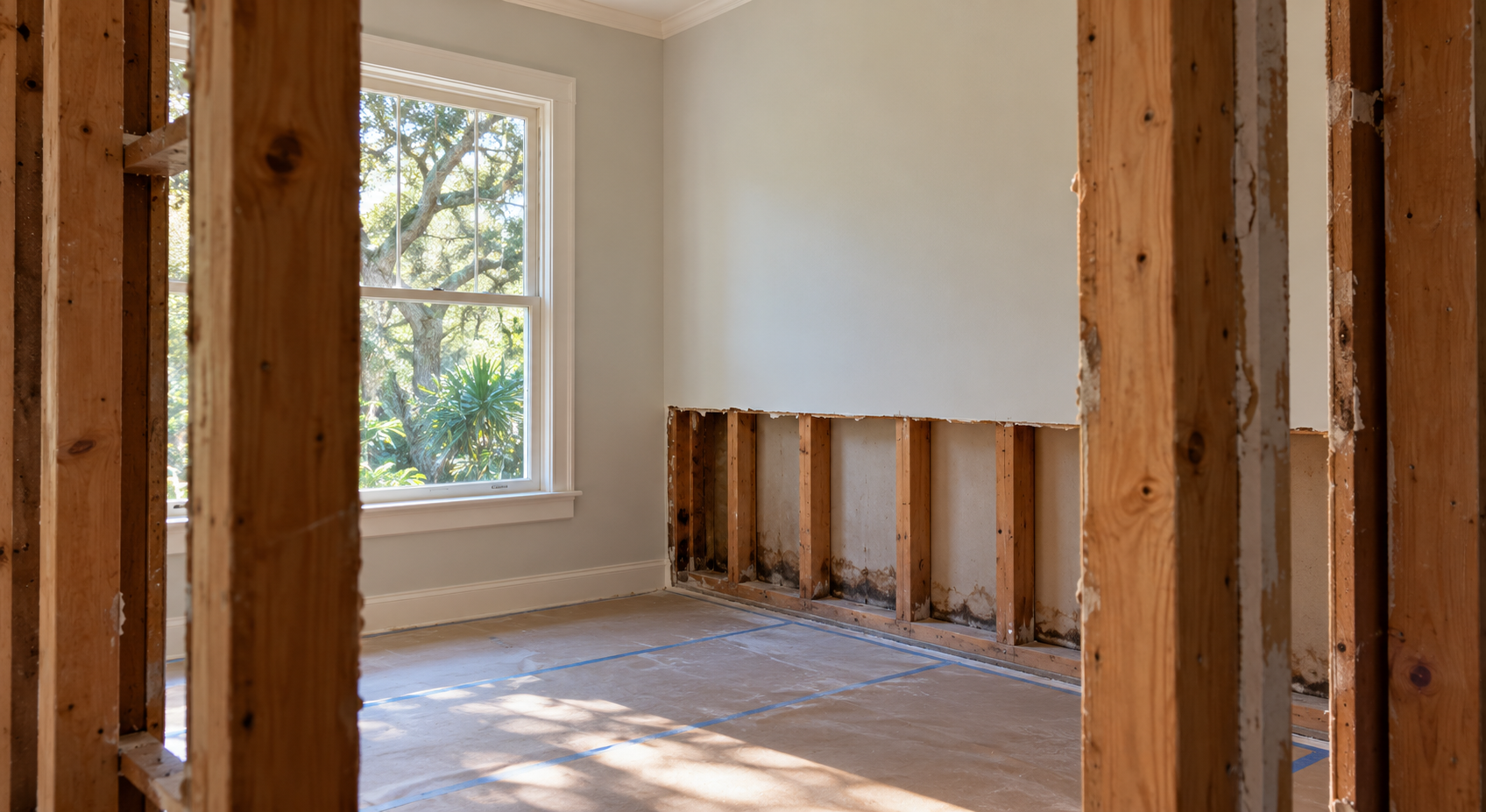
Based on more than 20 years of remodeling experience in Lafayette and Acadiana, Home Remodeling Pros Lafayette LA have seen how quickly a project can become complicated when planning is rushed. Older plumbing, hidden water damage, uneven framing, limited electrical capacity, and previous repairs may not become visible until demolition begins.
A local company is more likely to recognize these possibilities during the planning stage. That does not mean every hidden problem can be predicted. It means the contractor can build a more realistic scope, recommend an appropriate contingency fund, and explain which areas require closer inspection. This matters because good planning protects both the budget and the construction schedule.
Knowledge of Lafayette Homes and Climate
Homes across Lafayette are not all built the same way. An older property near central Lafayette may have different framing, wiring, and ventilation concerns than a newer home in River Ranch or Grand Pointe. Applying the same remodeling plan to every property is a mistake.
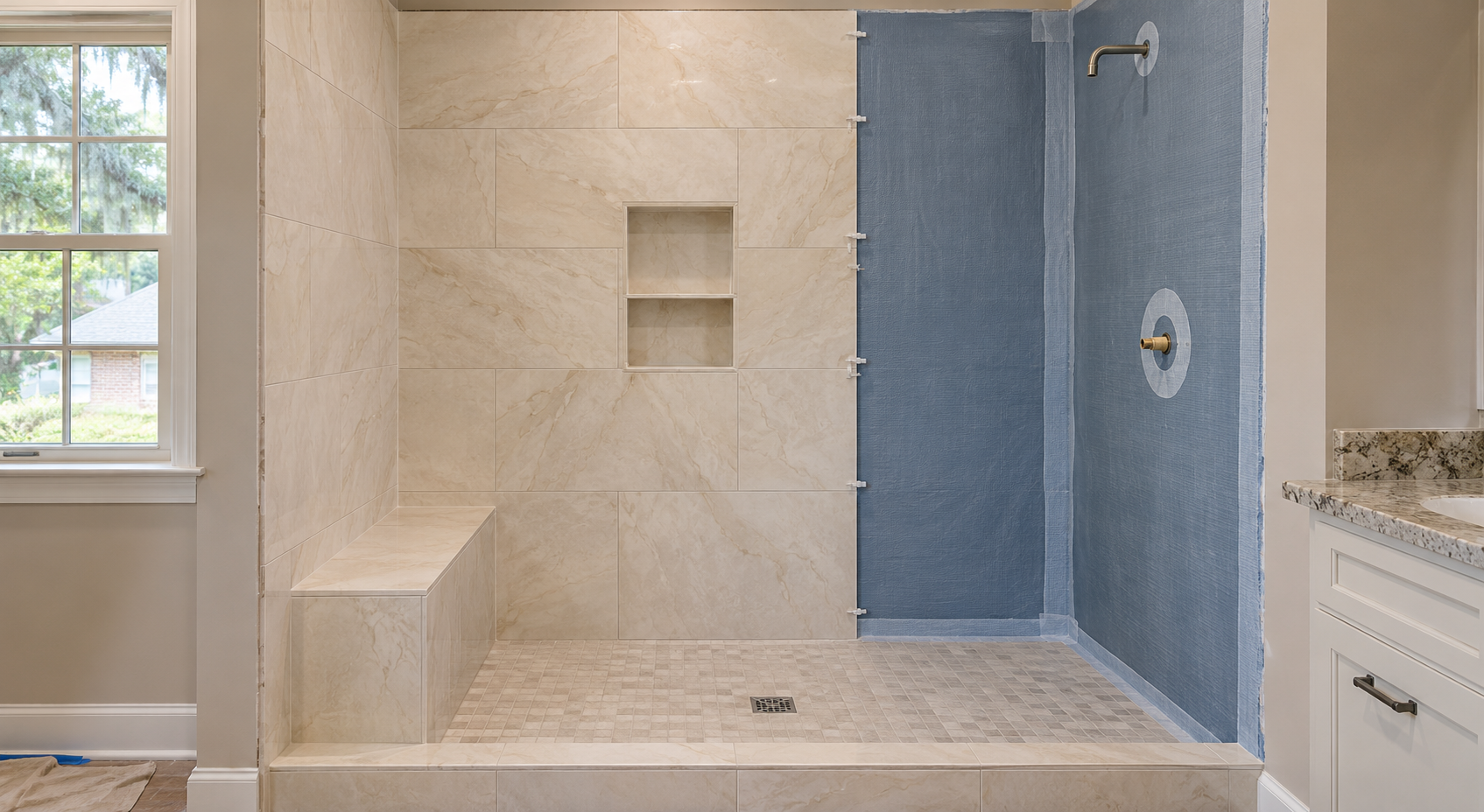
Local remodelers are familiar with the construction methods and layouts commonly found throughout the area. They also understand how Acadiana’s heat, humidity, heavy rainfall, and storm exposure affect material performance. Bathrooms need dependable moisture control.
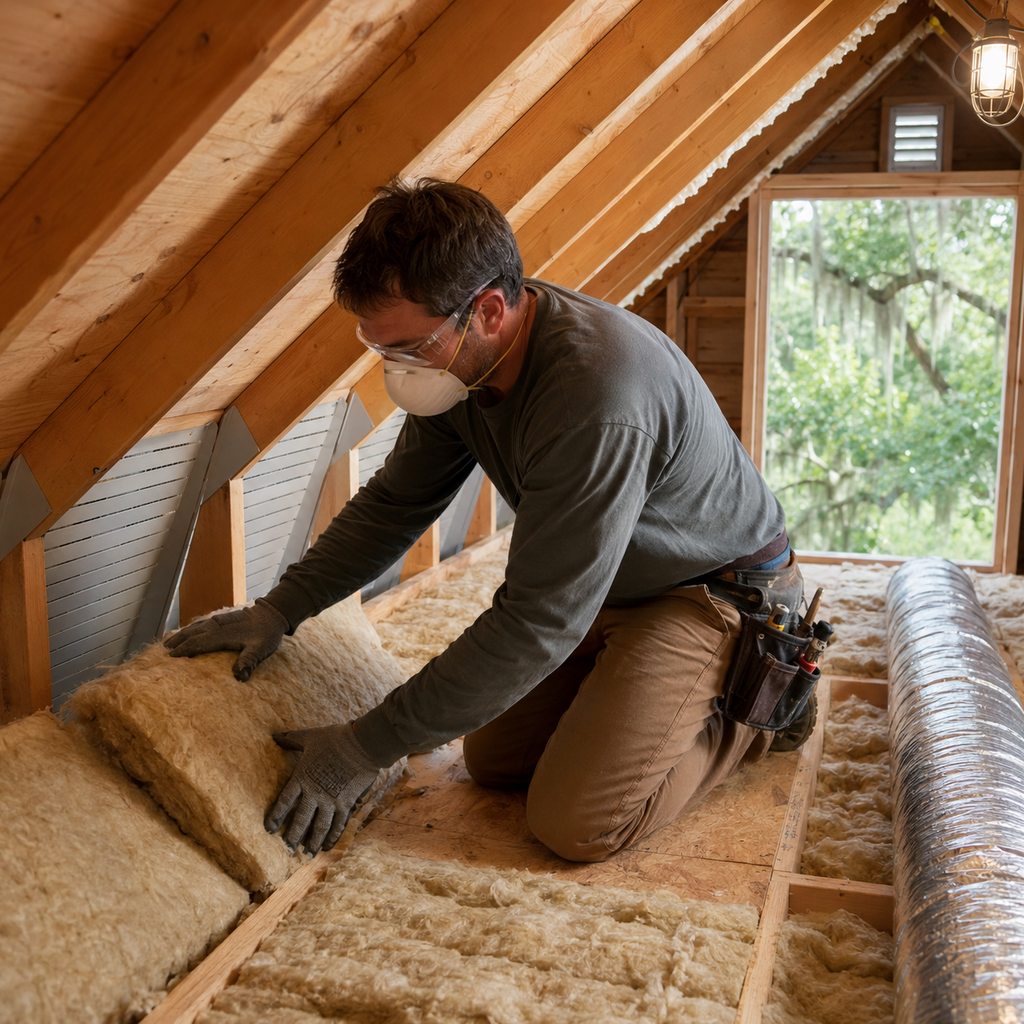
Attic renovations require careful attention to insulation and ventilation. Exterior improvements must account for rainwater management and prolonged exposure to humid conditions.
A finish that performs well in a dry climate may require more maintenance in Lafayette. Local knowledge helps homeowners select materials based on real conditions instead of appearance alone.
Familiarity With Permits and Building Requirements
Many remodeling projects require permits, inspections, or compliance with local building requirements. Structural changes, major electrical work, plumbing alterations, and additions should never be handled casually. Lafayette Consolidated Government building permit guidance states that most construction activities require permits before work begins.
A Lafayette remodeling company that regularly works in the area should understand which parts of a project require approval and when inspections must occur. Familiarity with local procedures can reduce paperwork mistakes and prevent completed work from being opened again because an inspection was missed.
Homeowners should still confirm that permit responsibilities are identified in the contract. Assuming that every contractor automatically handles permits is a common and costly mistake. A professional scope should clearly state who obtains approvals, schedules inspections, and pays related fees.
For broader planning guidance, homeowners should also understand what to consider before remodeling an entire house, including how permitting requirements may affect the project schedule and budget.
Easier Communication Throughout the Project
Communication problems are responsible for many remodeling frustrations. Homeowners may approve one material while the crew expects another, or a layout change may be discussed verbally but never added to the written scope.
A local company makes regular site visits and in-person walkthroughs more practical. Questions can be addressed where the work is happening, which reduces misunderstandings. This is especially important when demolition reveals an unexpected condition that requires a quick decision.
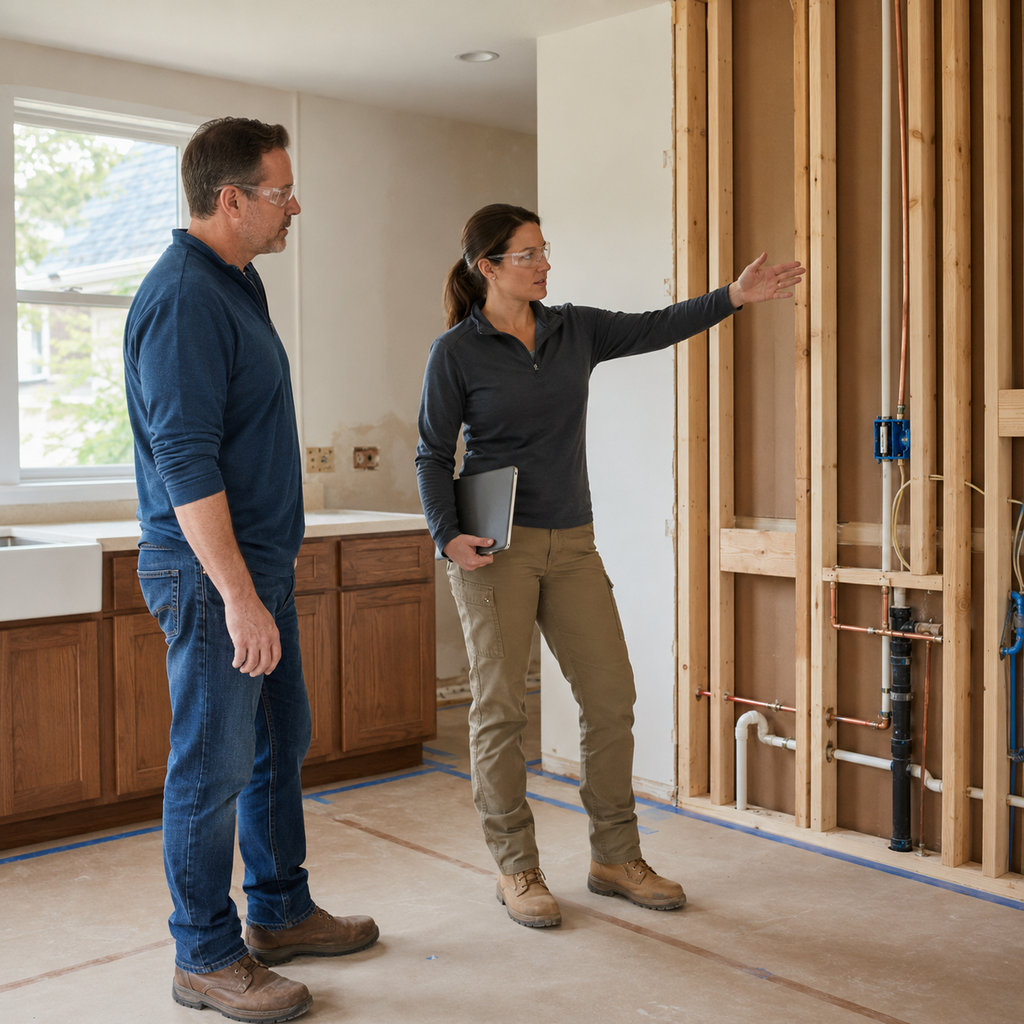
We’ve seen that projects run more smoothly when homeowners establish one point of contact, request written change orders, and review progress at agreed stages. Local availability does not replace proper documentation, but it makes productive communication much easier.
Stronger Coordination With Nearby Trades and Suppliers
Full-home, kitchen, bathroom, and attic renovations often involve carpenters, plumbers, electricians, painters, installers, and inspectors. Each trade must complete its work in the correct sequence. Installing drywall before necessary plumbing or electrical inspections, for example, can lead to removal and rework.
Established local companies usually have working relationships with nearby tradespeople and suppliers. These connections can support more dependable scheduling and faster responses when materials are unavailable or a specialist is needed.
There is still a tradeoff. A smaller local company may have fewer crews than a large regional operator, so homeowners may need to wait for a suitable start date. However, a realistic schedule from an accountable local team is generally better than an immediate start followed by poor coordination and repeated delays.
More Practical Budget and Material Guidance
The smartest remodeling advice begins with the budget. Homeowners should decide what they can comfortably spend, identify their highest priorities, and reserve funds for unexpected conditions before construction begins.
Local remodelers can help separate worthwhile improvements from features that add cost without providing enough functional value. In Lafayette kitchens, that may mean prioritizing durable counters, practical storage, and improved workflow before expensive decorative upgrades. In bathrooms, ventilation and waterproofing deserve attention before luxury fixtures.
Choosing the lowest estimate is rarely the best budgeting strategy. A low proposal may exclude demolition, disposal, permits, surface preparation, or finish work. Homeowners should compare detailed scopes rather than totals alone. The better proposal is the one that clearly explains what is included, what is excluded, and how changes will be priced.
For more planning guidance, homeowners can explore the most valuable home improvement projects for Lafayette homes to determine which upgrades deserve priority.
Local Reputation Creates Greater Accountability
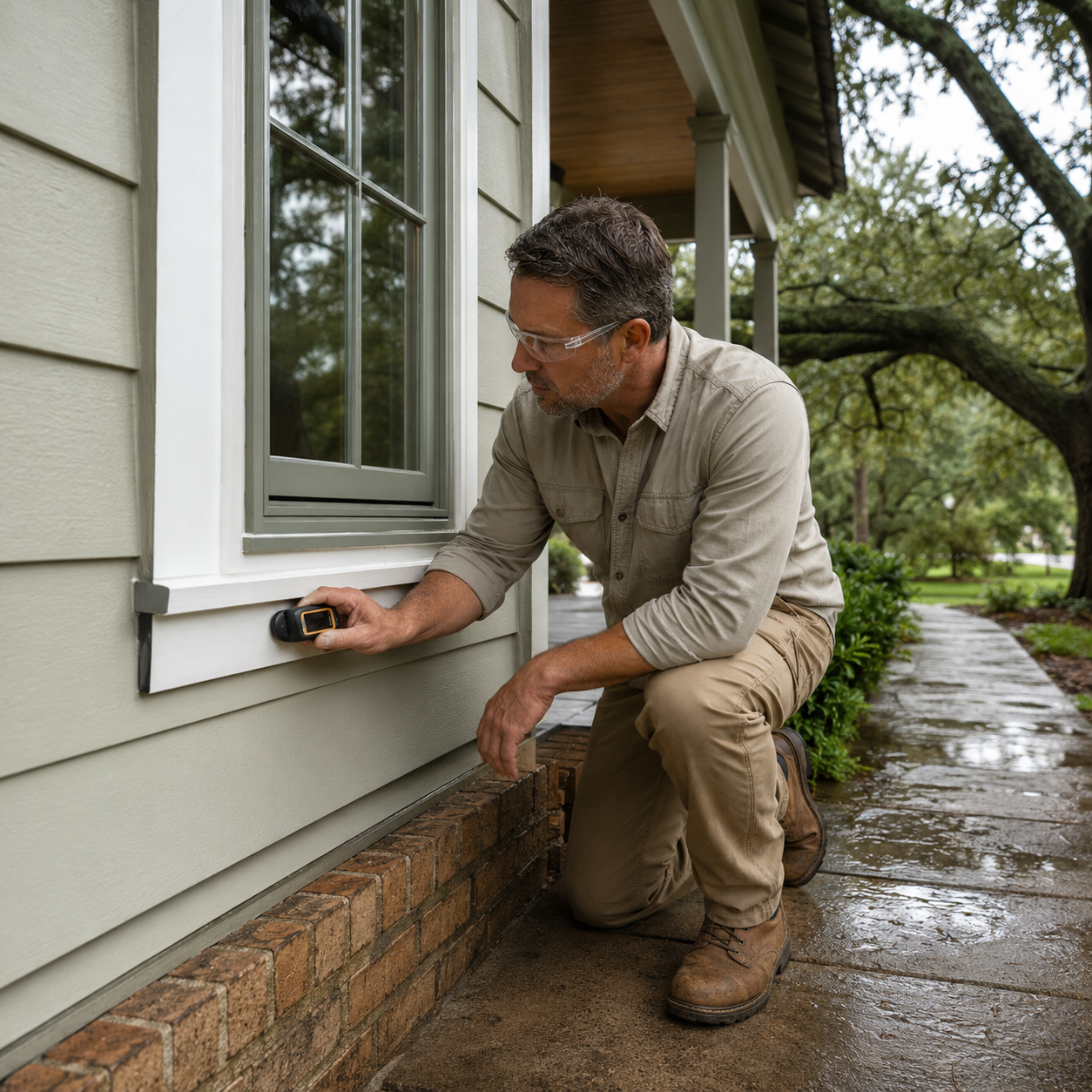
A local remodeling company depends heavily on repeat business, referrals, and its standing in the community. Previous projects, customer experiences, and business information are usually easier to verify when the contractor has an established Lafayette presence.
However, being local does not automatically prove quality. Homeowners should verify licensing, insurance, warranty terms, physical contact information, references, and examples of completed work. They should also ask who will supervise the project and how concerns will be resolved after completion.
Home Remodeling Pros, for example, supports its local positioning with licensing and insurance information, a BBB A+ rating, documented customer feedback, completed-project photos, and a lifetime workmanship warranty. These are the kinds of specific trust signals homeowners should request from any company under consideration.
Choose Local Experience That Can Be Verified
Working with a local home remodeling company gives Lafayette homeowners access to regional knowledge, closer communication, practical material guidance, and stronger project accountability. Those advantages can reduce avoidable mistakes and help the finished renovation perform well under local conditions.
Before signing a contract, compare detailed estimates, verify credentials, review warranty terms, and discuss the budget, timeline, permits, and possible hidden conditions. A carefully evaluated local company gives homeowners a clearer plan and greater confidence from the first walkthrough through the final inspection.

Written By:
Kurt Manalastas
Home & Property Research Journalist
Kurt is a Home & Property Research Journalist who creates educational content on home services, property improvements, and residential decision-making. He turns contractor insights, industry standards, and research findings into clear, practical guidance that helps homeowners better understand their options and make informed property decisions.