How to Rank Competing Home Renovations in Lafayette by Practical Value
Summary
When several Lafayette renovation projects compete for one budget, rank them by the consequences of delay, everyday usefulness, complete cost, and long-term plans. Address active damage before finishes, test limited improvements against full remodels, and check project dependencies so today’s spending does not create expensive rework later.
A renovation budget can disappear into a beautiful kitchen while the rest of the house still has the problems that prompted the work. The useful question is not which upgrade sounds most valuable, but which problem deserves funding before the alternatives.
When comparing home improvement services in Lafayette, evaluate every project against the same goals: preventing deterioration, easing repeated daily problems, improving comfort, or preparing for a future sale. A larger scope deserves its price only if it solves a problem that matters.
Glynn Hux, owner of Home Remodeling Pros, advises homeowners: “Get your budget together before starting the project.” Establish that limit before choosing finishes and keep a separate allowance for findings that could change the essential work.
Two existing guides address parts of this decision. Kitchen Storage Ideas in Lafayette That Make Cooking Easier explores a targeted improvement to an everyday room; How to Avoid Surprise Costs During a Remodel in Lafayette explains allowances, contingencies, and written scope control. This article is about ranking those choices against each other before spending.
Set One Decision Standard for Every Proposed Project
Write each possible renovation as a specific outcome, not just a room name. “Stop water entering the laundry wall,” “make pantry storage reachable,” and “cool the west-facing bedroom” lead to different questions than “update the laundry,” “modernize the kitchen,” or “replace windows.”
Use the same four tests for every candidate: what happens if it waits, how often it improves a real activity, its full cost including related work, and whether a later renovation would undo it. Rate each consideration in plain language—high, medium, or low—rather than assigning an unsupported return-on-investment percentage.
| Decision test | Evidence to collect | What the result changes |
|---|---|---|
| Consequence of delay | Active leaks, worsening damage, unresolved safety concern | Move investigation or necessary repair ahead of finishes. |
| Daily usefulness | Specific repeated task, who is affected, how often | Compare a targeted correction with full replacement. |
| Complete cost | Related trades, retained materials, contingencies, disruption | Compare equivalent, usable finished outcomes. |
| Later rework | Shared flooring, concealed utilities, connected rooms | Sequence linked projects before closing finishes. |
Give Active Damage First Claim on the Budget
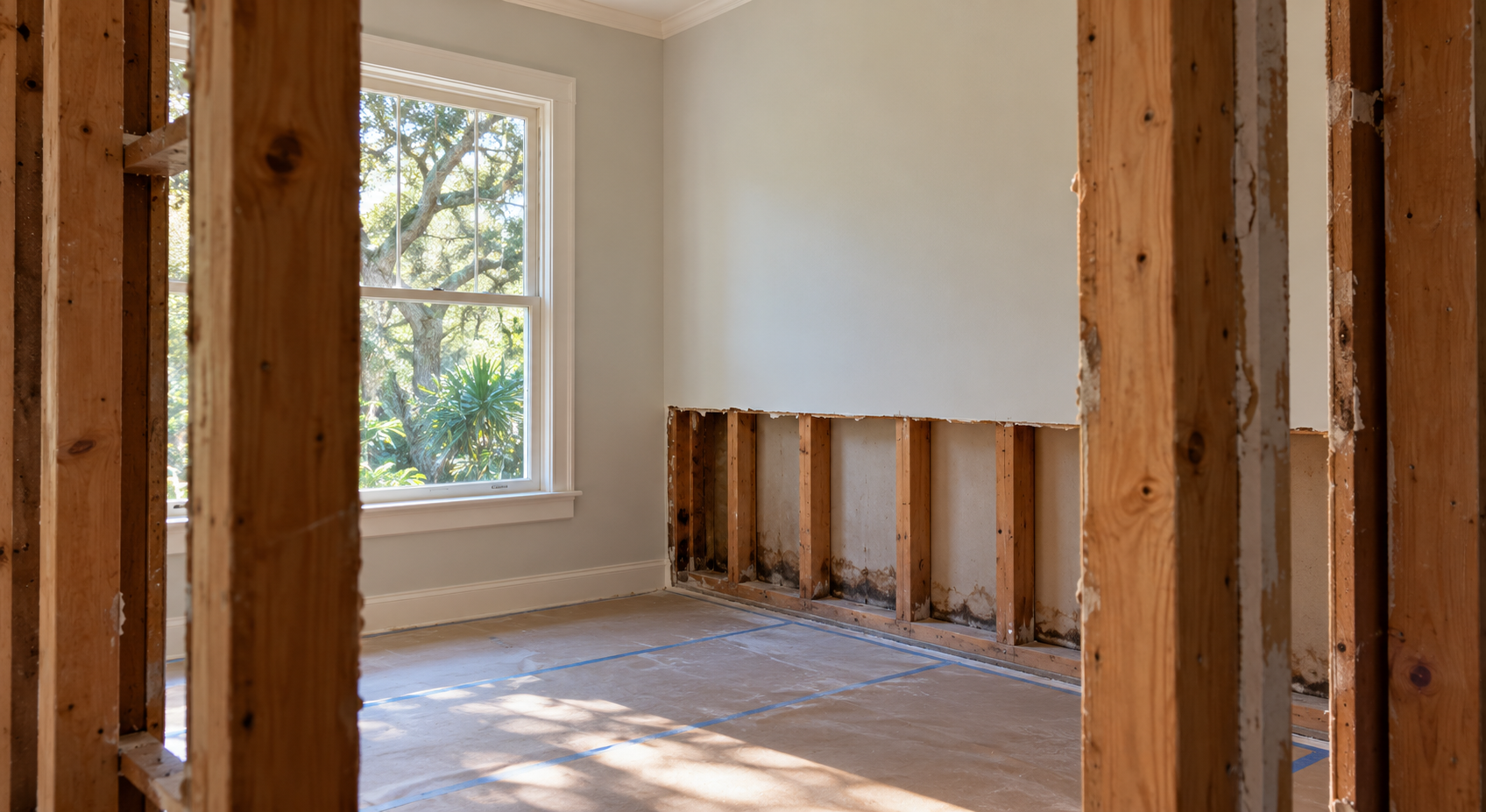
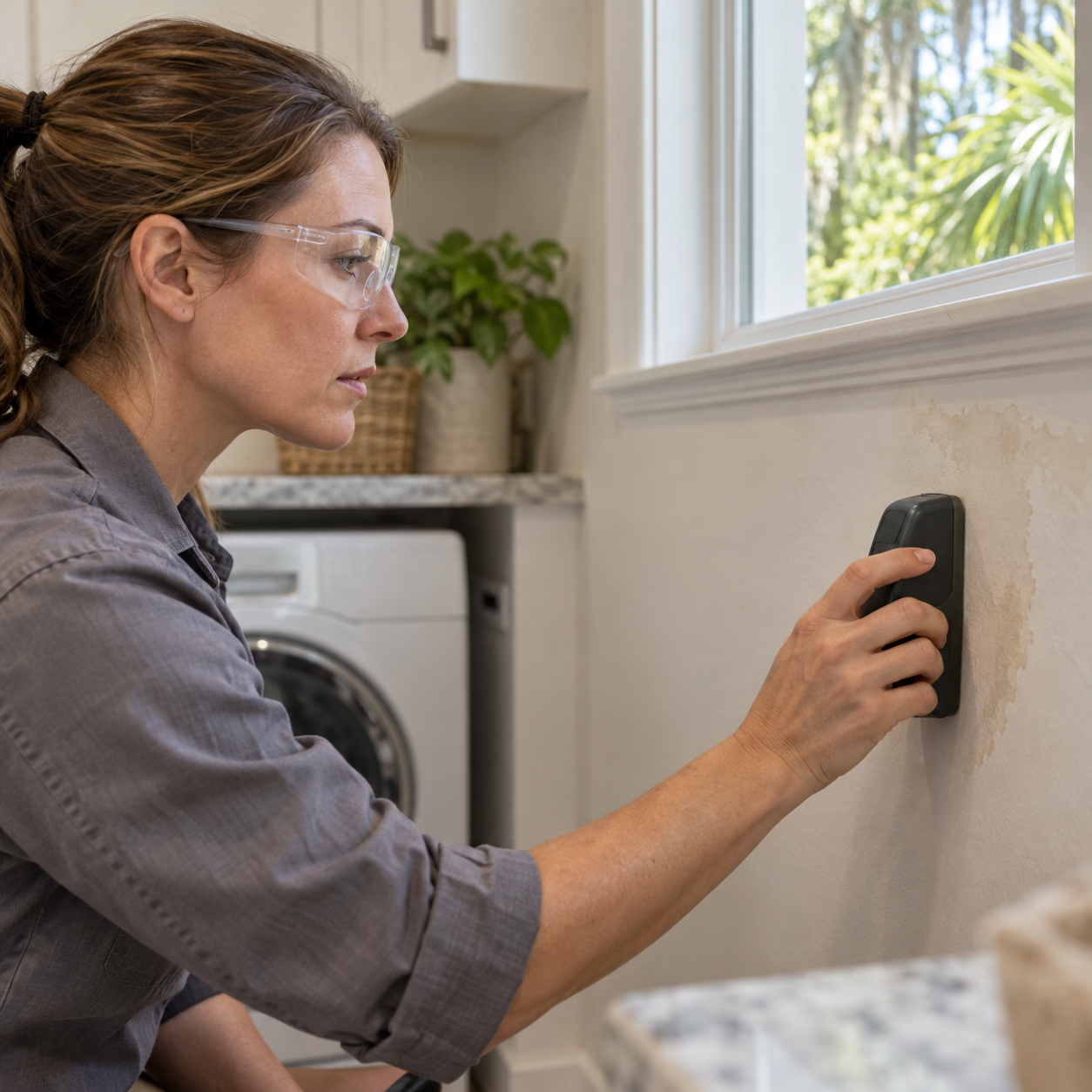
A beautiful finish adds little practical value if water is still entering behind it. Before ordering flooring, cabinets, or paint, identify recurring stains, persistent dampness, signs of material deterioration, and previously repaired areas that have changed again. Ask a qualified professional to establish what is known, what needs investigation, and whether occupancy or access precautions are needed.
For moisture-affected interiors, EPA’s guide to mold and moisture in the home explains that the water problem must be corrected and that moldy surfaces require appropriate
cleanup and drying before painting. The guidance supports fixing the cause, not simply covering a mark; it does not diagnose a particular Lafayette home from a stain.
Price essential investigation and repair separately from optional finish upgrades. A reserve for concealed work should not be treated as money available for premium materials. If the damage remains uncertain, determine what information is needed before approving a fixed renovation scope.
Test Whether a Smaller Change Solves a Daily Problem
Once necessary protection is funded, identify the inconvenience repeated most often. A busy kitchen may need more accessible storage, but an overcrowded bathroom or blocked laundry route could produce greater daily benefit for a particular household. Do not automatically give the kitchen first place merely because it is prominent in resale discussions.
Describe the problem as an observable task: two people cannot prepare meals at the same time, towels have no usable storage, or an appliance door blocks circulation.
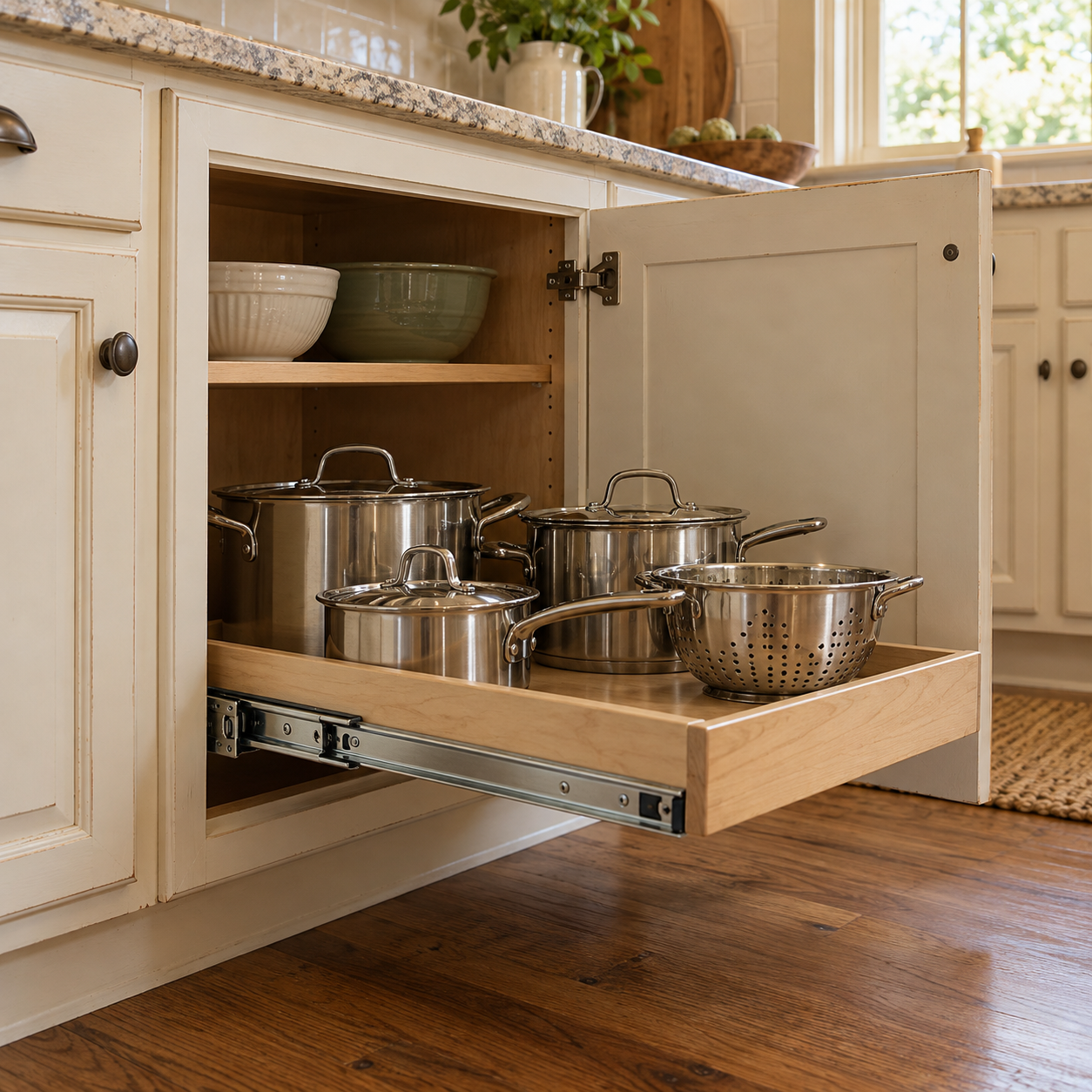
Then compare one focused change with a complete room remodel that achieves the same required result
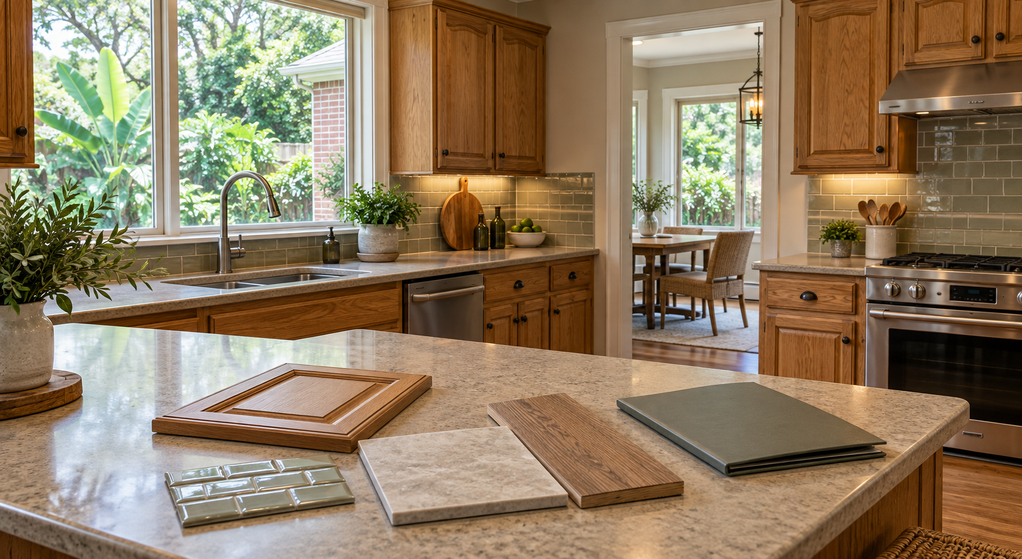
Pull-out storage, task lighting, or selective replacement can be worth investigating where cabinets and surrounding materials remain sound. A bathroom may need a different vanity and a better storage layout rather than expensive tile throughout. Retain existing material only if its condition and compatibility support the proposed work.
Ask for any layout movement to be priced separately. Shifting a sink, doorway, or wall can add work in plumbing, electrical, flooring, and adjoining finishes. An addition should enter the comparison only after the existing footprint has been assessed against the household’s actual needs.
Require a Diagnosis Before Buying Comfort Upgrades
A room that remains hot or humid after a remodel may not deliver the expected everyday benefit. Record which room is uncomfortable, when the problem occurs, and whether it follows rain, sun exposure, equipment operation, or changes in occupancy. These observations are useful to the appropriate professional, but are not a diagnosis.
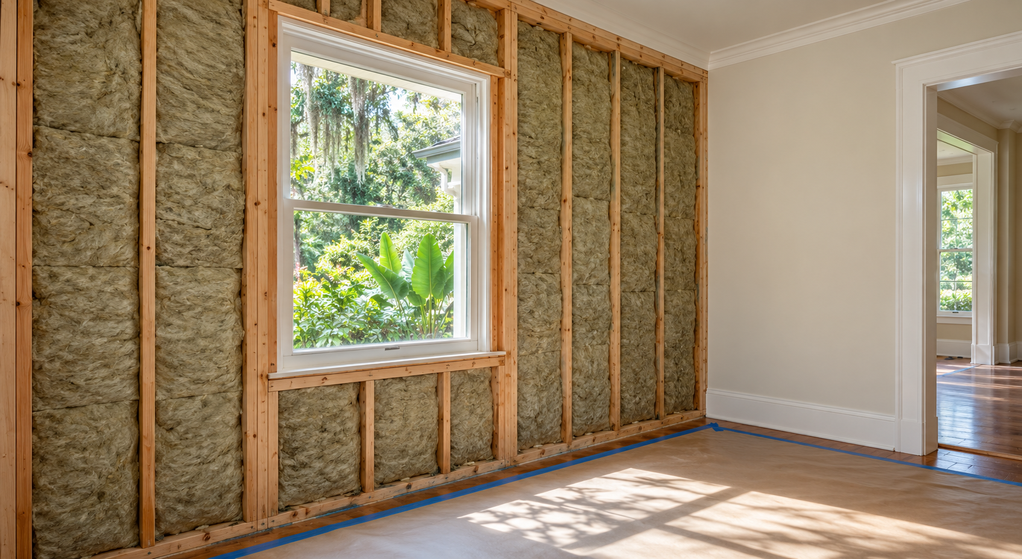
Do not select windows, insulation, or new cooling equipment simply because each is marketed as an upgrade. Request an explanation of the likely contributing factors, the specific work proposed, and how the improvement will be evaluated afterward. Evaluate any promised energy savings as an estimate with stated assumptions.
Give a comfort project priority when the evidence supports the scope and the affected rooms matter to everyday life. Defer it when the problem has not been defined well enough to compare costs or expected benefits responsibly.
Adjust the Ranking to How Long You Expect to Stay
Households planning a long stay may reasonably value accessibility, maintenance, and personal convenience more heavily than potential resale. Someone preparing to sell soon needs market-specific advice before paying for customized finishes or an expansion. No specific renovation is guaranteed to recover its full cost at sale.
For a near-term sale, ask a local real estate professional to compare the home’s present condition with relevant completed sales before assigning a resale benefit to a proposed project. For a longer stay, weigh cleaning effort, repairability, replacement availability, and whether the improvement fits the household’s routines.
Price Complete Outcomes and Protect the Sequence
Compare bids for the same completed outcome. Ask each contractor to identify demolition, repair allowances, retained materials, changes to utilities, material selections, finishing, cleanup, temporary household disruption, and exclusions. A less expensive first invoice does not establish a less expensive completed renovation.
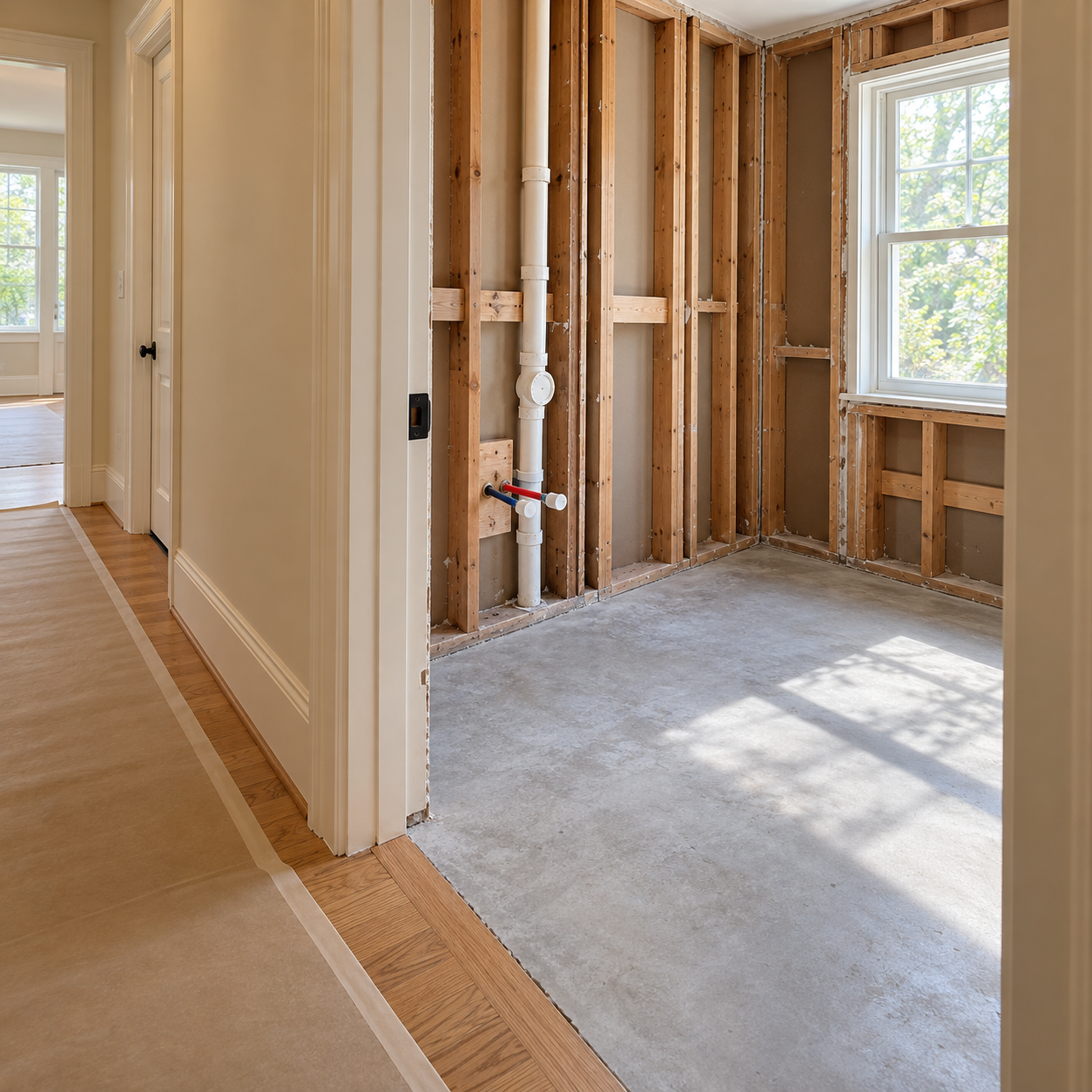
Check whether one project must precede another. Replacing a hallway floor before deciding whether doorways will move may create rework. Work affecting the same concealed systems or finishes should be coordinated even if construction must be divided into funded phases.
Do not open additional rooms just because bundling promises efficiency if the available funds will not carry them to a complete, usable stopping point with an appropriate reserve. Future-phase prices can change unless the agreement explicitly fixes them.
Choose From a One-Page Priority List
Put every proposed project on one page with its required outcome, consequence of delay, frequency of use, full estimated cost, dependencies, and expected time in the home. Give first funding to safety and active damage, next funding to clearly defined high-use improvements, and defer optional changes whose benefits do not justify the full scope.
The strongest priority is the project whose place in line you can explain: the problem it solves, the evidence supporting the solution, the cost of completing it properly, and why it deserves money before another project. Revisit the order when an inspection or comparable quote changes those facts.

Written By:
Kurt Manalastas
Home & Property Research Journalist
Kurt is a Home & Property Research Journalist who creates educational content on home services, property improvements, and residential decision-making. He turns contractor insights, industry standards, and research findings into clear, practical guidance that helps homeowners better understand their options and make informed property decisions.