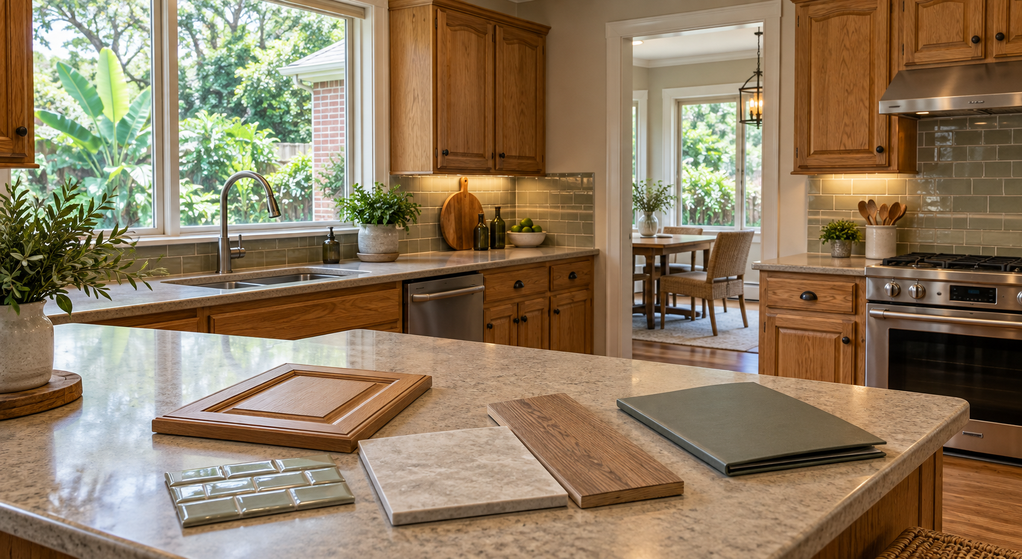
How to Choose Paint Colors for a Home Remodel in Lafayette
Color Planning Guide:
Choosing paint colors for a Lafayette remodel should start with the home’s fixed materials, natural light, humidity, room function, and daily use rather than trends alone. Testing samples throughout the day and matching undertones to flooring, cabinets, tile, and trim helps the whole remodel feel connected.
The wrong paint color does not always look bad right away, but it can quietly throw off everything around it. For homeowners considering home improvement services Lafayette, LA, the real question is not simply, “What color looks nice?” The better question is, “What color will still look right with this home’s light, flooring, cabinets, humidity, and everyday use?”
In Lafayette, many homes already have strong details like natural light, shaded porches, wood tones, brick, tile, and lived-in family spaces. Paint should work with those details, not fight against them.
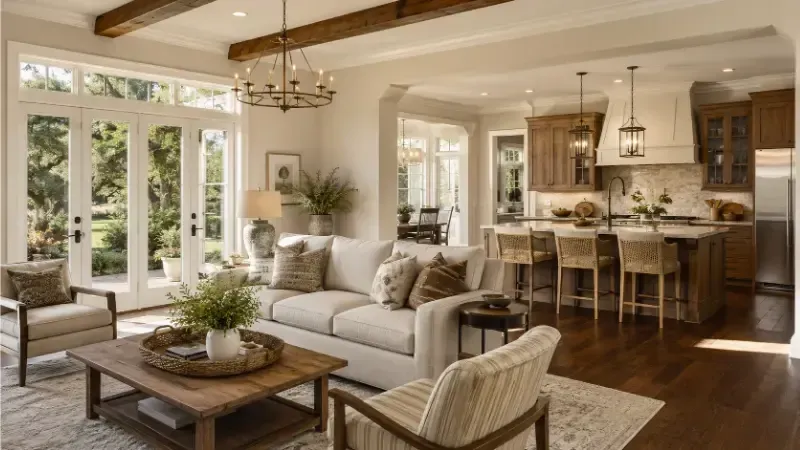
Start With the Home You Already Have
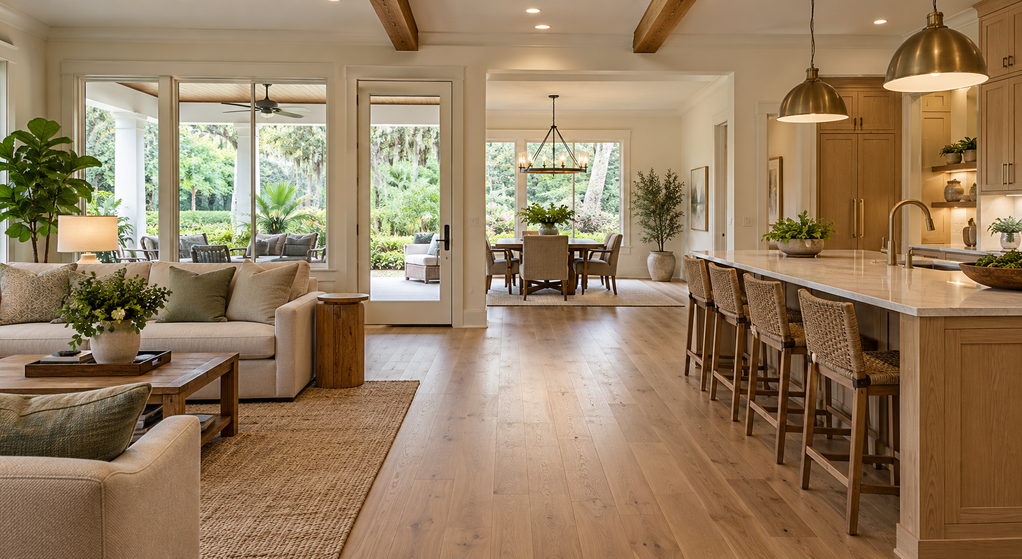
Paint color is often treated as the fun final step. That is understandable, but it is also where many remodels lose their balance. Paint should support the floors, cabinets, countertops, tile, trim, furniture, and natural light already inside the home. A color that looks beautiful online can feel wrong once it is placed beside warm wood floors, creamy tile, or brick with red and orange undertones.
At
Home Remodeling Pros Lafayette LA, our home improvement experts have seen how the right color choice can make a remodel feel finished, connected, and easy to live in. That means the right choice depends less on a favorite shade and more on how the full space works together.
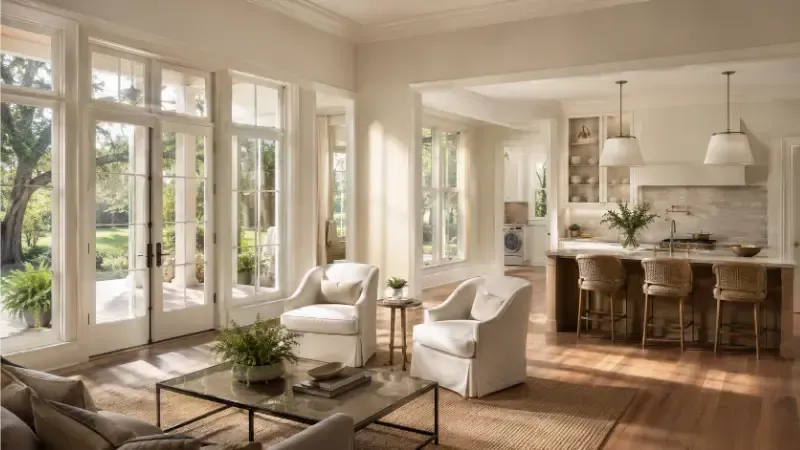
Pay Attention to Lafayette Light and Humidity
Lafayette homes often deal with bright sun, humid weather, shaded porches, and interiors that change appearance throughout the day. A paint color may look soft in morning light, warmer in the afternoon, and dull under artificial lighting at night. That is why sample testing matters. Paint should be tested on more than one wall and viewed at different times of day before the final decision is made.
Humidity also matters, especially in kitchens, bathrooms, laundry rooms, and busy entry areas. Flat paint can hide imperfections, but it is not always the best choice where moisture, fingerprints, or cleaning are part of daily life. In higher-use spaces, washable matte, eggshell, or satin finishes often make more sense.
Let Fixed Materials Lead the Palette
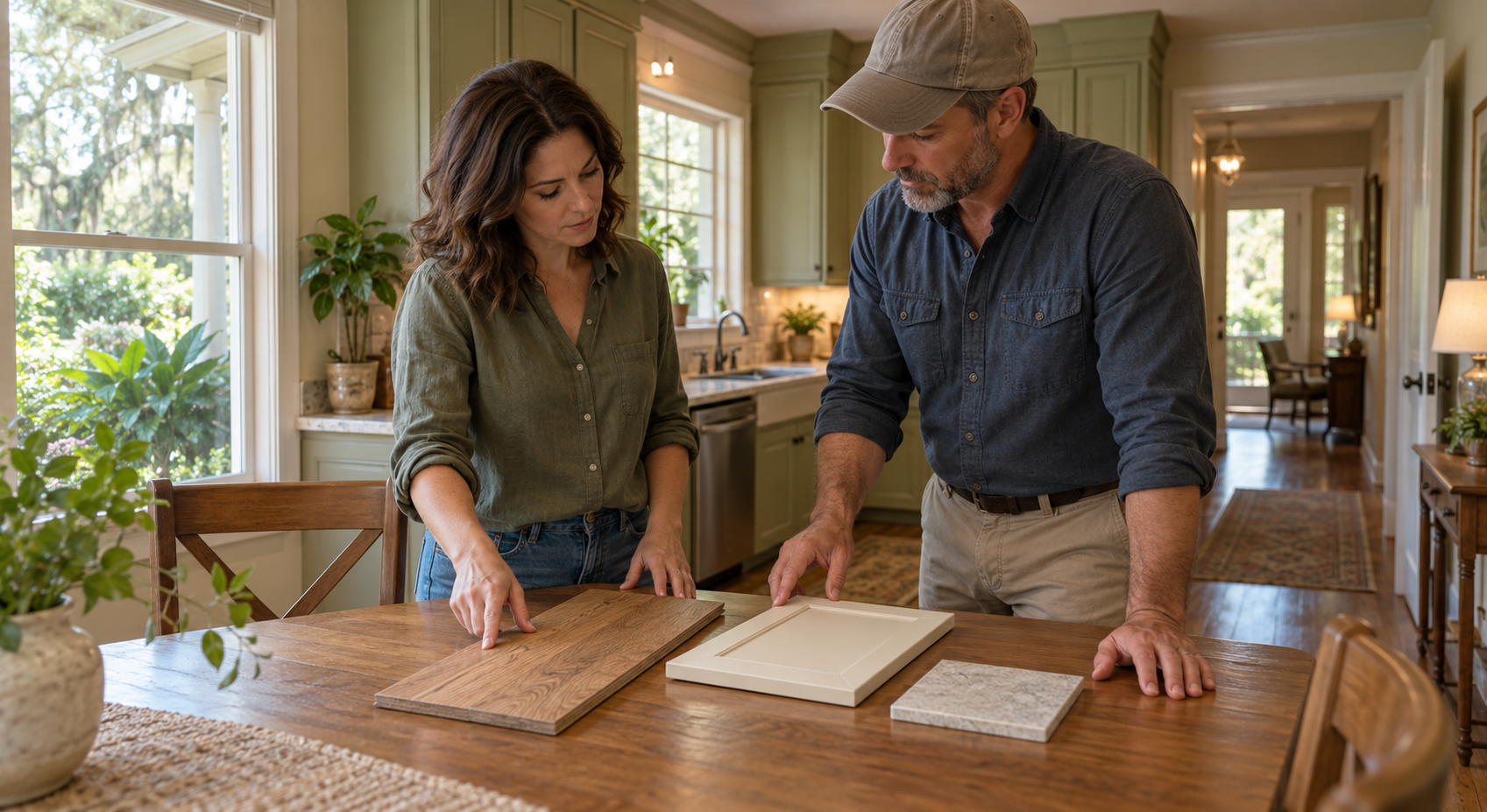
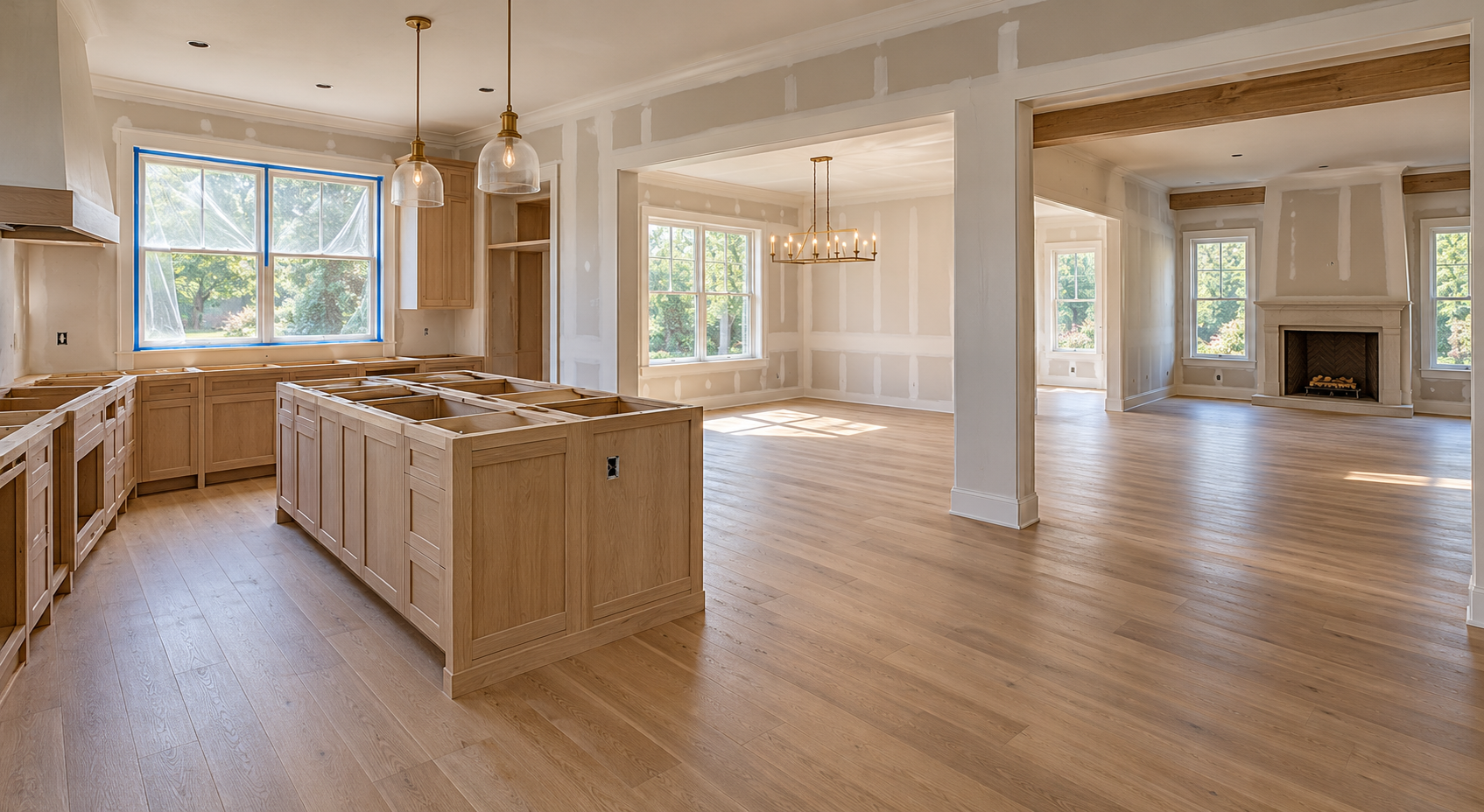
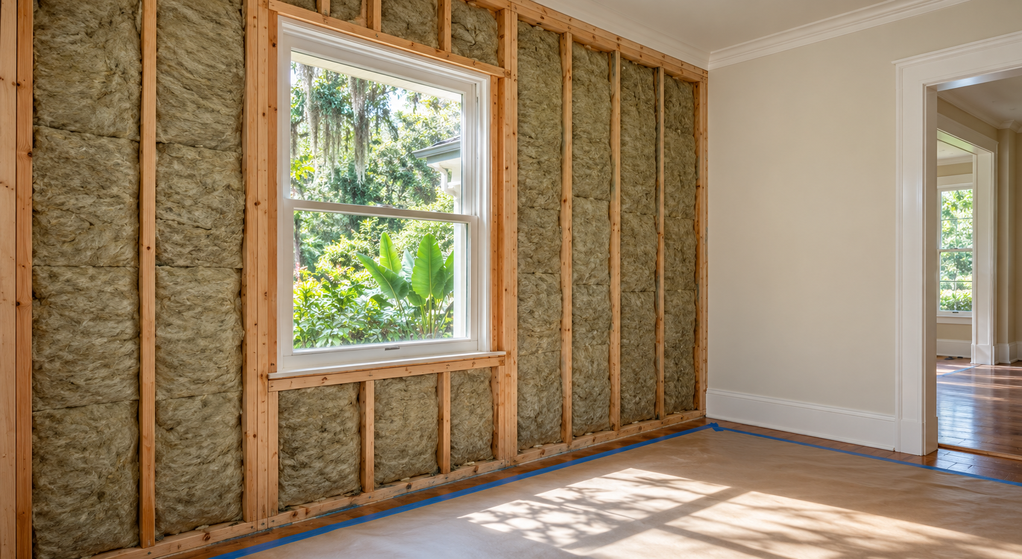
The strongest color decisions begin with the parts of the home that are not changing. Flooring, cabinets, countertops, backsplash tile, exposed beams, brick fireplaces, and bathroom tile should guide the palette. These materials already have undertones. Some lean warm, some lean cool, and some sit somewhere in between.
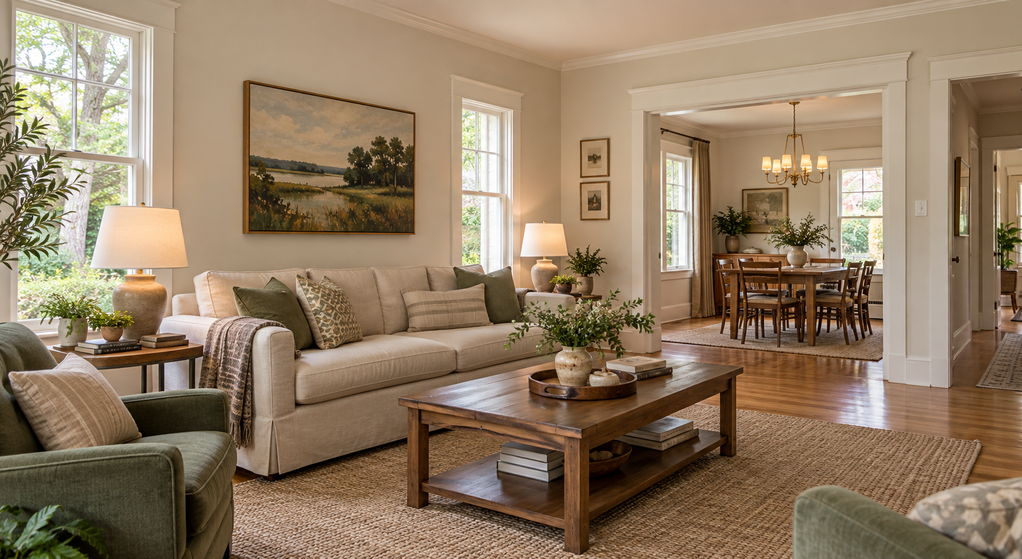
A common mistake is choosing a cool gray because it feels modern, then placing it beside warm oak flooring or beige tile. The result can feel disconnected. In many Lafayette remodels, warm whites, soft beige, greige, muted taupe, sage green, and gentle blue-green tones tend to work better than harsh whites or icy grays.
Pick a Main Color That Can Carry the Home
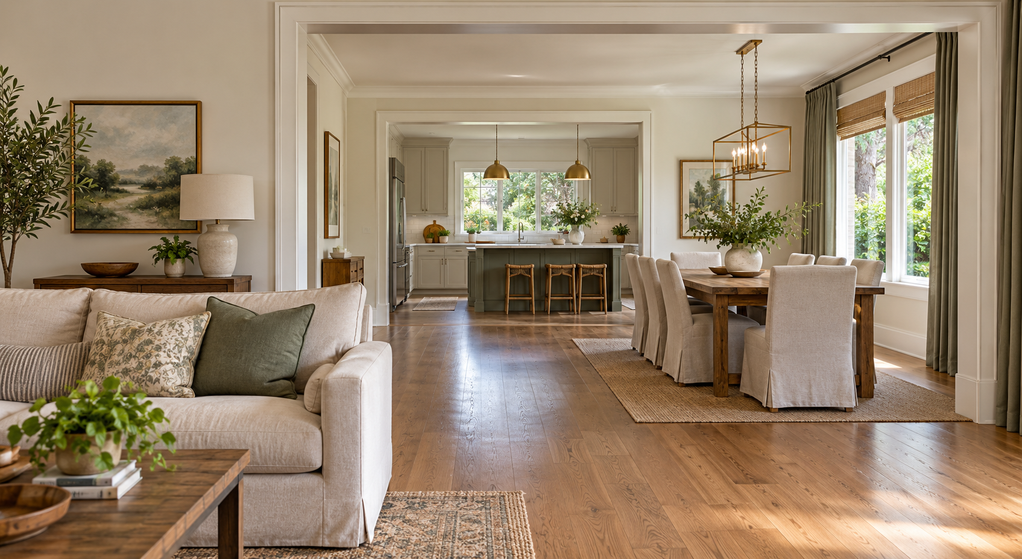
For whole-home remodels or open floor plans, the main wall color needs to carry more than one room. A strong color may look great in one space but become tiring when it runs through a living room, kitchen, hallway, and dining area. If you're planning a renovation, exploring the latest home design trends for Lafayette homeowners can help you choose colors that stay stylish and cohesive throughout your home.
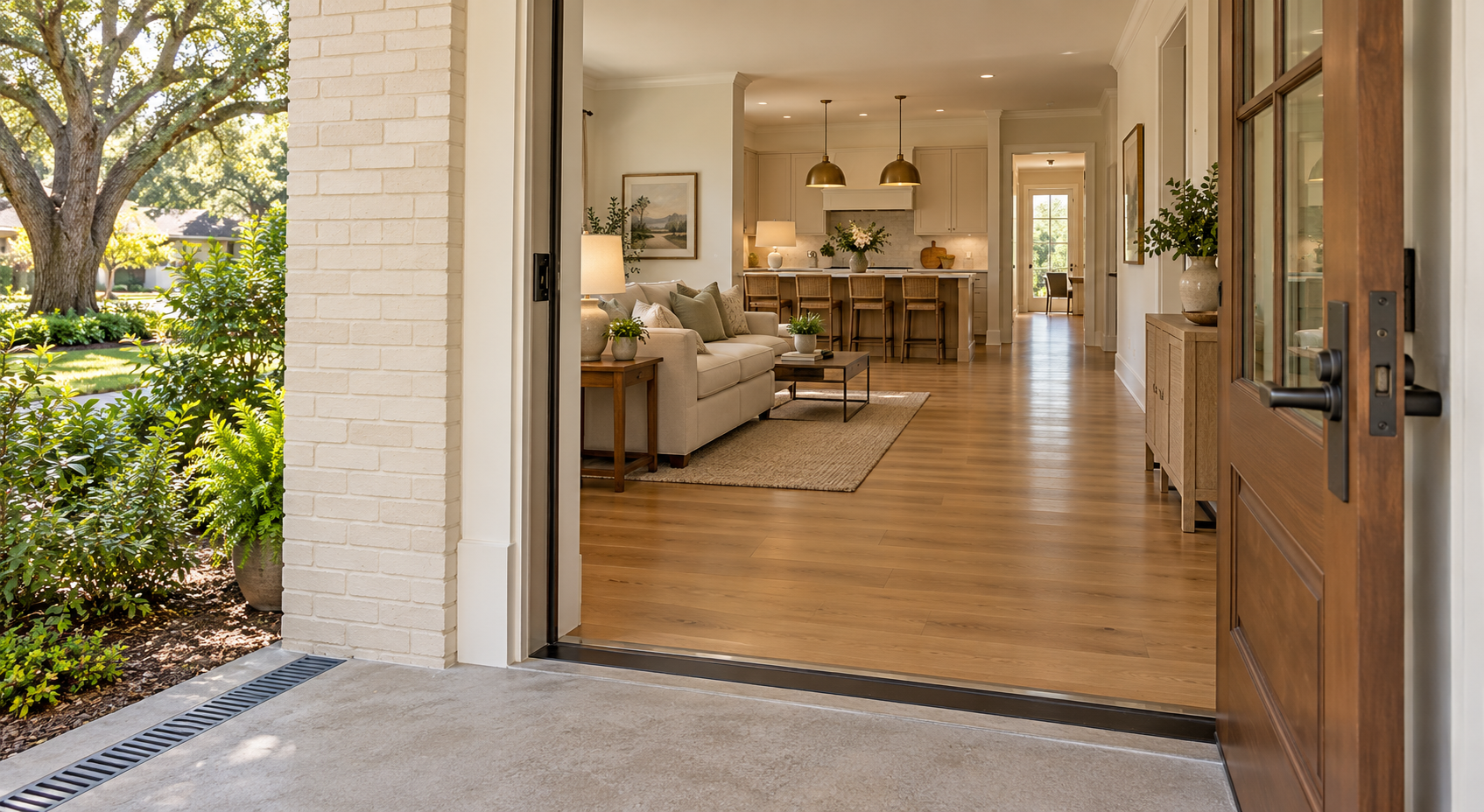
A warm neutral is usually the best foundation for main living areas. Creamy white, soft greige, warm gray, light taupe, or muted beige can make the home feel brighter and more open without making it feel cold. These colors also give cabinets, countertops, artwork, and furniture room to stand out.
The tradeoff is that neutrals can look plain if the trim, lighting, and decor are weak. That is why paint should be part of the full remodeling plan, not a last-minute decision. Trim color, ceiling color, door color, and cabinet color all affect how the wall color reads.
Use Room Function to Guide the Mood
Each room should have a purpose, and the paint color should support that purpose. Bedrooms usually benefit from calm colors such as soft blue, sage, warm white, or muted green. Bathrooms often feel cleaner and brighter with light, fresh colors, especially when the space is small. Kitchens work well with warm whites, soft neutrals, or muted greens when the cabinetry and counters support those tones.
Dining rooms, offices, and powder rooms can handle more personality. These are good places for richer colors because they are more contained. A deep green, warm charcoal, clay tone, or muted navy can work well when balanced with the right lighting and trim. Bold color should feel intentional, not random.
Watch Trim, Ceilings, and Common Mistakes
Trim and ceiling colors can change the entire feel of a remodel. Bright white trim beside a warm wall color can look crisp, but it can also feel too sharp if the rest of the home is soft and traditional. Creamier trim may work better in homes with warm flooring or traditional Acadiana details.
The biggest mistake is choosing paint before choosing major materials. The second mistake is skipping samples. The third is using the same color everywhere without checking how it behaves in each room. Paint is cheaper than flooring or cabinets, but repainting still costs time, labor, and frustration. For homeowners choosing colors across several rooms, our article on
what to know when remodeling a whole house can help connect paint decisions with flooring, cabinets, trim, lighting, and the overall remodel plan.
A Smarter Final Choice
Narrow the palette to three or four serious options. Test each one near flooring, trim, cabinets, and natural light. Look at the samples in the morning, afternoon, and evening. Then choose the color that works best across the full day, not the one that looks best for five minutes.
For a Lafayette home remodel, the strongest approach is to build the palette around warm, livable colors that fit the house. Start with fixed materials, respect the light, choose the right finish, and use bold colors only where they make sense.

Written By:
Kurt Manalastas
Home & Property Research Journalist
Kurt is a Home & Property Research Journalist who creates educational content on home services, property improvements, and residential decision-making. He turns contractor insights, industry standards, and research findings into clear, practical guidance that helps homeowners better understand their options and make informed property decisions.