How to Tell If a Remodeling Contractor in Lafayette Understands Your Vision
Vision Check
A remodeling contractor in Lafayette understands your vision when they ask detailed questions about daily use, accurately restate your priorities, adapt recommendations without losing the main goal, evaluate the actual home, and document decisions clearly. Specific communication and practical tradeoffs are stronger proof than promises, portfolios, or a low estimate.
A successful remodel should feel like a better version of your home, not a contractor’s personal interpretation of it. Yet homeowners often judge contractors mainly by price, availability, or an impressive portfolio. Those factors do not prove that someone understands your priorities. Anyone searching for the
home improvement service in Lafayette should examine how a contractor listens, responds, documents ideas, and handles practical limitations. When that understanding is missing before construction, it rarely appears after materials have been ordered.
They Ask How You Want the Space to Work
The most revealing part of a remodeling consultation is often a homeowner’s description of an ordinary day.
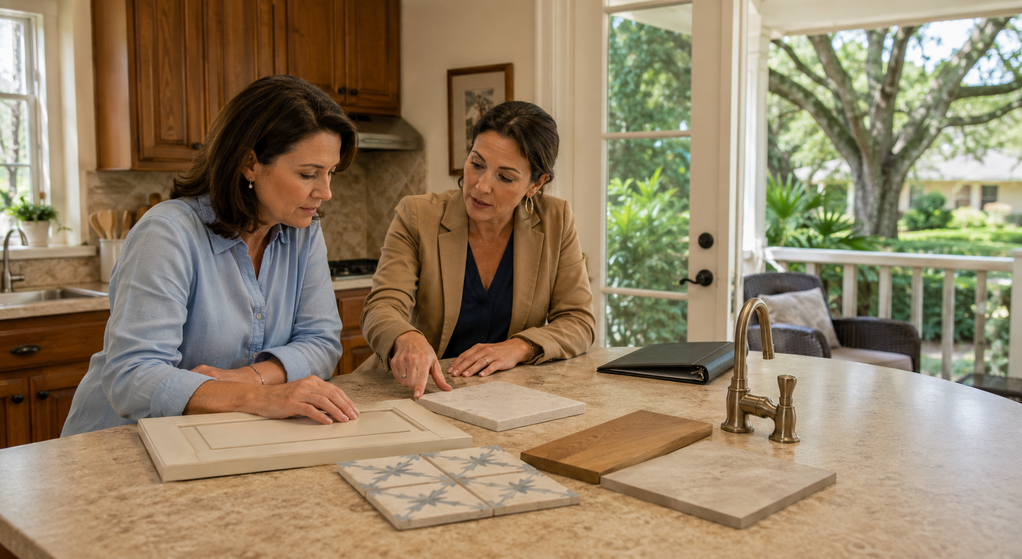
Home Remodeling Pros Lafayette LA pay attention to these details because daily routines expose needs that inspiration photos cannot show. A capable contractor should ask who uses the room, what causes frustration, which features must remain, and how the household may change. For a kitchen, cooking habits, storage, traffic flow, and entertaining all matter. In a bathroom, privacy, accessibility, ventilation, and cleaning may be equally important.

A contractor who immediately discusses tile or paint is moving too quickly. Materials should support how the room will function. Without that understanding, even an attractive renovation can become inconvenient.
They Can Explain Your Priorities Back to You
Ask the contractor to summarize the project in their own words. The response should identify your functional goals, preferred style, budget range, essential features, and acceptable compromises.
This test exposes misunderstandings early. “Open concept” might mean removing every visual barrier to one homeowner, while another only wants a wider connection between two rooms. A trustworthy remodeling contractor in Lafayette will clarify vague language instead of making assumptions. If the summary sounds generic or misses priorities you repeatedly emphasized, the contractor does not understand the vision well enough to begin.
For additional guidance, understanding which remodeling projects add the most value can help homeowners establish priorities before deciding which features are negotiable.
Their Recommendations Preserve the Main Goal
An experienced contractor should challenge ideas when structural conditions, moisture control, safety, or cost make them impractical. Blind agreement is not proof of understanding. A contractor who promises everything without inspecting the home may simply be telling the homeowner what they want to hear.
Reviewing essential planning considerations for a whole-house remodel can help homeowners recognize which design requests may need to be adjusted before construction begins.
What matters is whether the proposed alternative protects the original goal. If a wall cannot be fully removed, perhaps a wider opening can improve flow. If a preferred material is unsuitable for a wet area, another finish may create a similar appearance with greater durability. Sound advice explains the tradeoff and leaves the final decision with the homeowner.
They Evaluate the Actual Lafayette Home
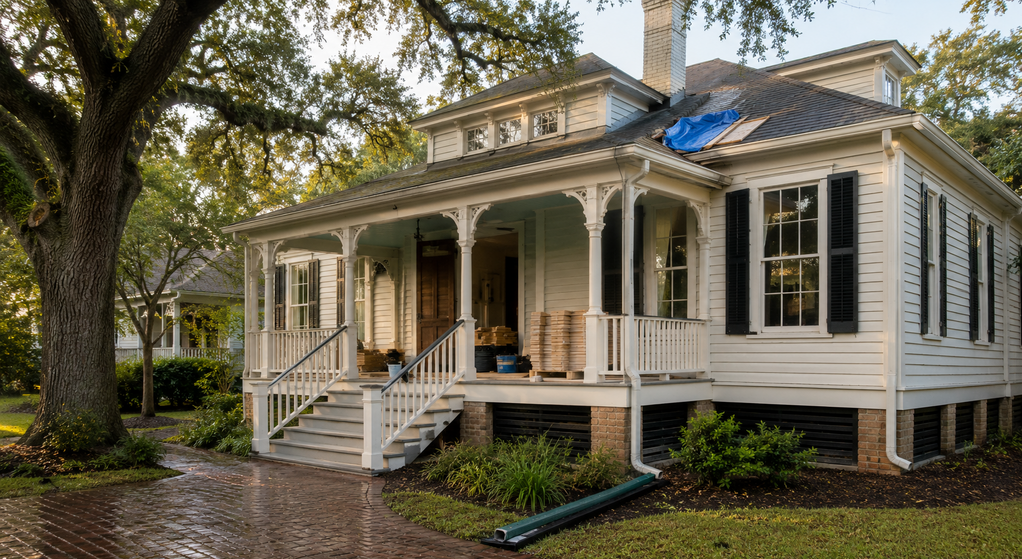
A remodeling plan should respond to the property rather than copy an online photograph. Homes across Lafayette and Acadiana vary in age, layout, previous alterations, ventilation, and exposure to heat, humidity, and heavy rain. These conditions can influence material choices, moisture management, storage, and project sequencing.
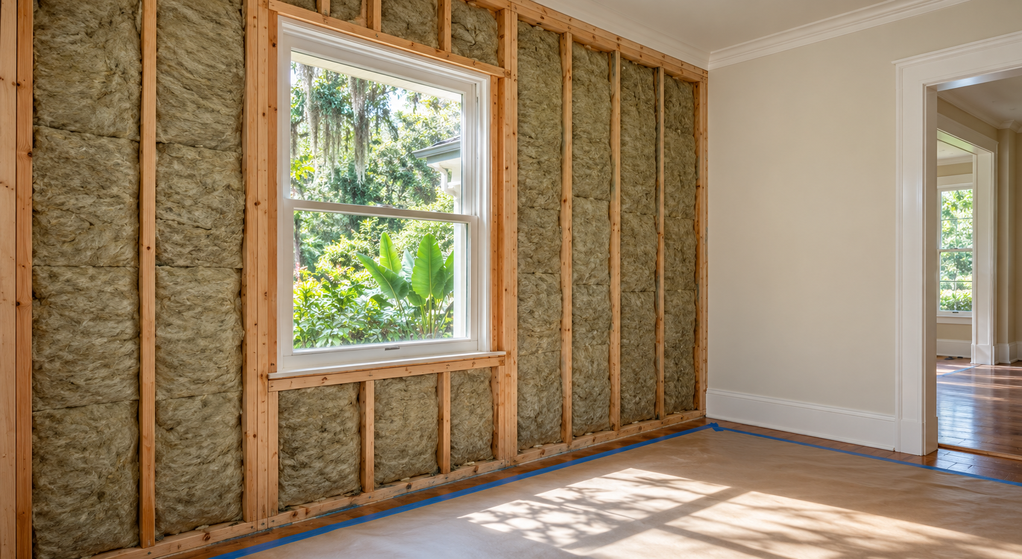
A careful contractor inspects the space, confirms measurements, looks for water damage, and considers how plumbing, electrical, or structural work could affect the design.
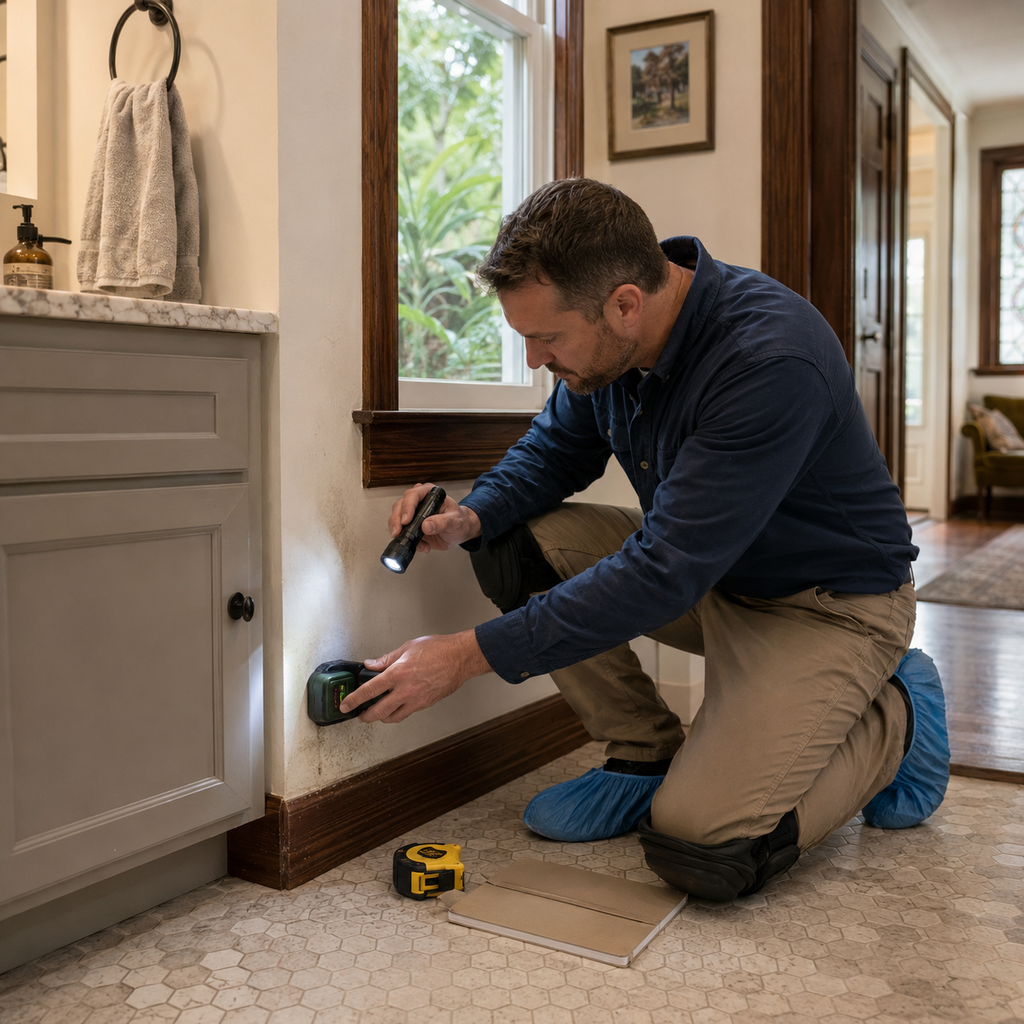
Skipping this investigation invites costly changes later. Local experience is valuable because the final design must suit both the homeowner’s preferences and the realities of the property.
They Turn Conversations Into Clear Documents
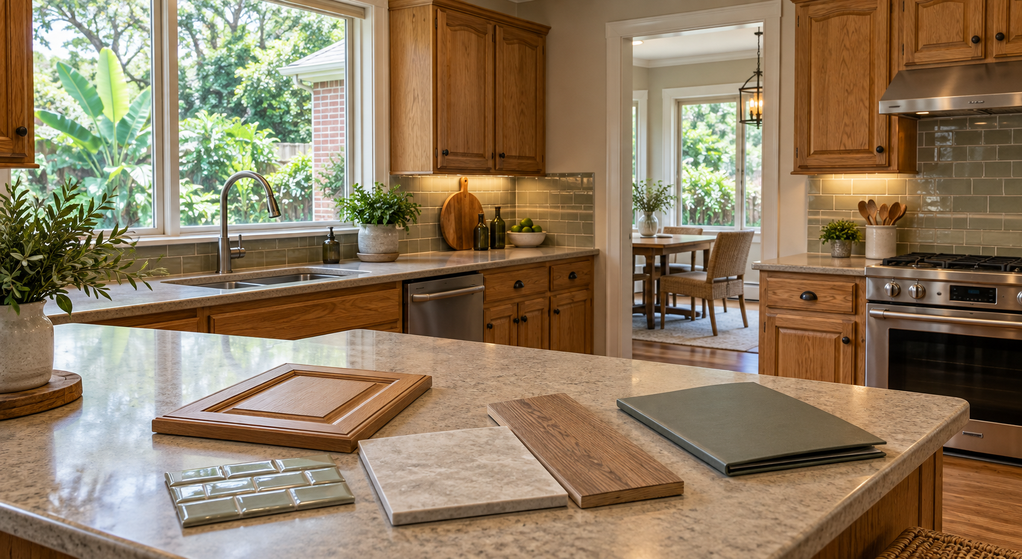
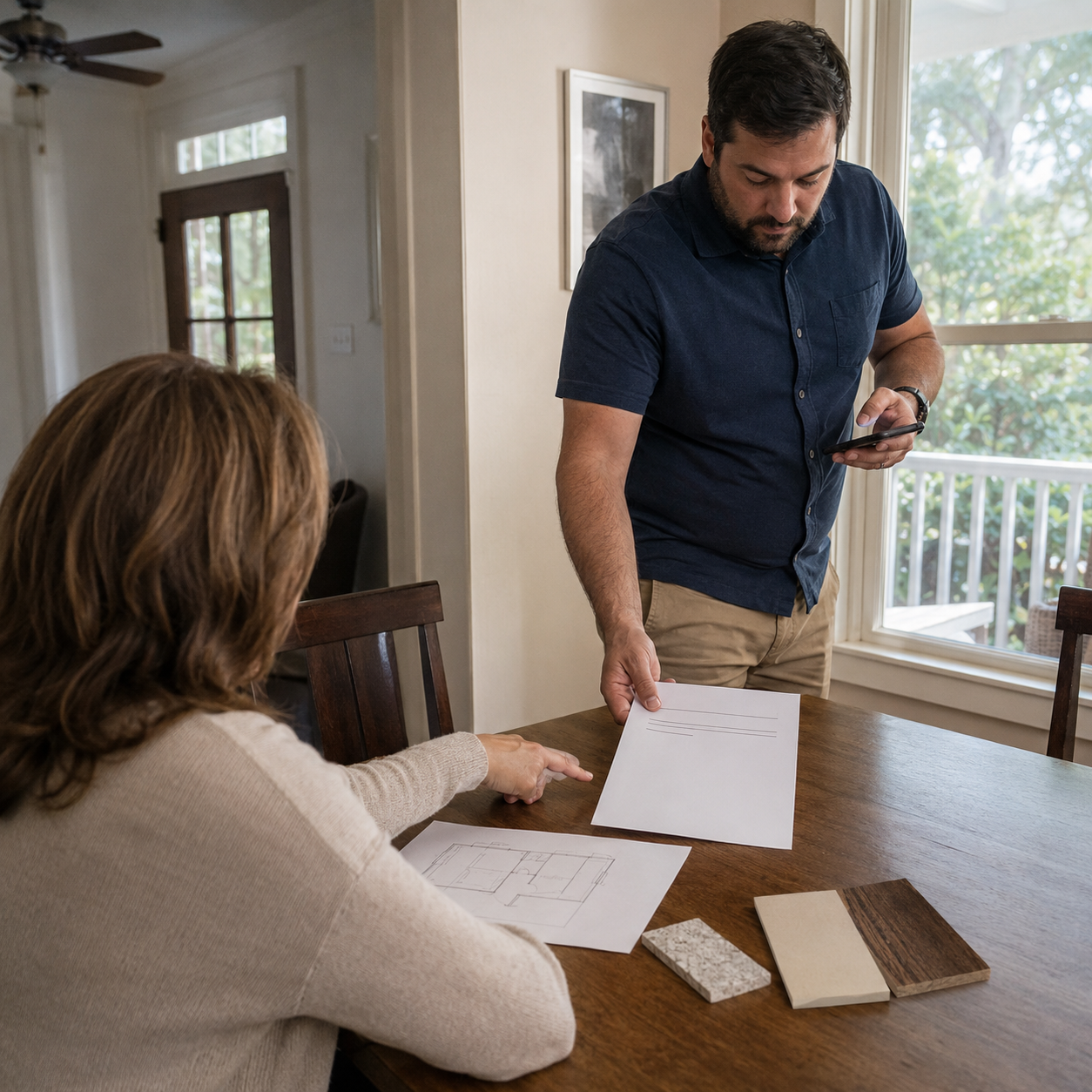
Verbal reassurance is insufficient for a substantial renovation. Discussions should become a detailed written scope supported by measurements, drawings, finish schedules, product selections, or reference photographs when appropriate.
The documents should state what will be removed, installed, relocated, repaired, and finished. Cabinet layouts, flooring transitions, lighting locations, hardware finishes, and trim details should not be left to memory. Customized designs require especially precise documentation.
Homeowners should also ask how revisions will be recorded. A formal change process shows what changed and how it affects the price or schedule. A contractor who resists documenting decisions presents an unnecessary risk.
They Discuss Budget Without Distorting the Vision
A contractor who understands the project can identify which features create the most practical and visual impact. This helps homeowners reduce costs strategically instead of sacrificing quality throughout the entire remodel.
Keeping plumbing near its existing location, for example, may preserve funds for better cabinets or finish work. A simpler tile pattern could reduce labor without changing the room’s overall character. Useful tradeoffs connect each budget decision to the homeowner’s priorities.
Be cautious when a low quote lacks detail. It may exclude preparation, repairs, permits, finish work, or cleanup. Getting the budget together before starting is essential, but that budget must be based on a complete and realistic scope.
Questions That Reveal Genuine Understanding
Before signing an agreement, ask:
- How would you describe the three main goals of this remodel?
- Which part of the plan presents the greatest challenge?
- What would you change, and how would it support the result I want?
- Which selections must be completed before construction?
- How will design decisions and changes be documented?
- Can you show a completed project with similar goals?
Strong answers should be specific to your property. Rehearsed responses, unexplained promises, and constant redirection toward the contractor’s preferred style suggest your ideas could be ignored once work begins.
Watch for Communication Red Flags
Dismissive behavior, repeated interruptions, vague answers, rushed estimates, and pressure to approve choices are serious warnings. Another concern is a contractor who treats inspiration photos as exact plans. Those images can communicate style, but they cannot account for room dimensions, existing conditions, product availability, or budget.
Notice whether the contractor remembers details and updates documents. Poor follow-through during planning often becomes a larger problem during construction.
Choose Understanding Before Construction Begins
The right contractor will demonstrate understanding through thoughtful questions, accurate summaries, practical recommendations, and thorough documentation. Confidence and craftsmanship cannot correct a project built around false assumptions.
Before hiring a remodeling contractor in Lafayette, confirm that the written scope describes the home you want. If essential details remain unclear, pause and resolve them. A brief delay during planning is far less costly than rebuilding finished work that failed to meet your expectations.

Written By:
Kurt Manalastas
Home & Property Research Journalist
Kurt is a Home & Property Research Journalist who creates educational content on home services, property improvements, and residential decision-making. He turns contractor insights, industry standards, and research findings into clear, practical guidance that helps homeowners better understand their options and make informed property decisions.